Dating Apps Are Broken. Bumble's CEO on What Comes Next. | Whitney Wolfe Herd | The Interview
Key ideas
Wolfe Herd argues Bumble lost its way chasing growth metrics, explains her burnout and return as CEO, and says dating apps must change how users feel.
From a machine transcript of the audio. Quotes link to the moment they are said.
- 1
Build from the problem you lived
Wolfe Herd rejects the idea that Bumble's women-first design was a marketing angle or a revenge plot against Tinder. She says that as a young woman who dated, she felt women had to wait for men to choose them, and she built for herself and her friends. In her telling, the feminist label came later from the media.
- 2
Refuse growth that breaks the match
Wolfe Herd recalls a telephone provider offering to preinstall Bumble on its phones, bringing millions of free downloads, and says she declined. Her reasoning is that a marketplace depends on each person seeing someone relevant to them, so volume that works for a content platform does not help here. She says she ran the company's first years on quality over quantity.
- 3
Watch inputs, not outputs
Wolfe Herd separates outputs such as revenue growth, payers and registrations from the core input: whether members are getting what they came for. She says that during the pandemic and other periods even her own team turned to outputs and stopped asking that question for too long. She adds that retention still matters, but that ten hours a day on Bumble would mean the company was doing its job the wrong way.
- 4
Own where the brand oversold
Although Wolfe Herd felt critical coverage targeted young women CEOs, she concedes Bumble is not perfect, that women have been treated badly on it, and that it may have oversold itself at times. She calls a woman's first message a small step. She also takes accountability for product design that, in her opinion, leaves Gen Z users feeling judged and rejected.
- 5
Burnout and letting go of control
Wolfe Herd says she left the CEO role because she was exhausted, and that stepping back was destabilizing because the company had become part of her identity. She says releasing control took maturity she did not know she had. When her successor told her it was no longer working, Wolfe Herd saw some of the same mistakes she had made, offered herself to the board, and says the board did its diligence before asking her back.
In Whitney’s words
“What happened was I just built a solution to the problems myself and my friends had.”
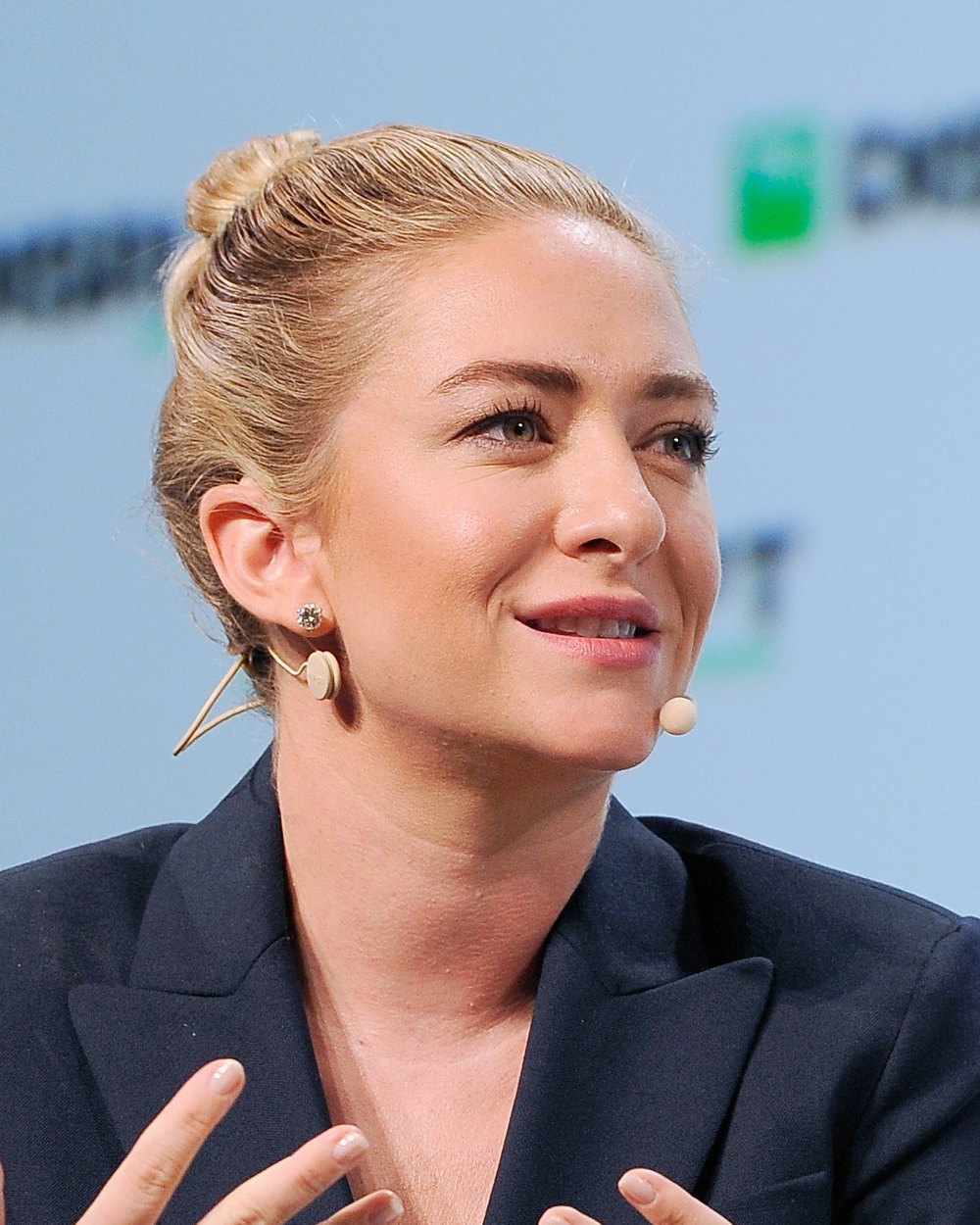 Whitney Wolfe Herd·Dating Apps Are Broken. Bumble's CEO on What Comes Next. | Whitney Wolfe Herd | The Interview·Watch at 9:45(opens the original in a new tab)
“And I said, it's the wrong way to grow. This is not a social network. This is a double-sided marketplace.”
Whitney Wolfe Herd·Dating Apps Are Broken. Bumble's CEO on What Comes Next. | Whitney Wolfe Herd | The Interview·Watch at 23:50(opens the original in a new tab)“And so when you chase growth, you get it, but then you lose it.”
Whitney Wolfe Herd·Dating Apps Are Broken. Bumble's CEO on What Comes Next. | Whitney Wolfe Herd | The Interview·Watch at 25:29(opens the original in a new tab)About this entry
- Published
- May 10, 2025
- Channel
- The Interview
- Type
- Video
- Length
- 47:53
- Language
- English
- Added
- Nov 2, 2026
- Source last checked
- Nov 2, 2026
What’s available here
Original source
Linked. Opens on YouTube.
Player on this page
Available. YouTube’s own player, loaded only when you press play.
Full text or transcript
Not reviewed. No license to show a text version here.
Our summary
Draft. Written by us with AI from a machine transcript of the video’s audio (Whisper) and checked against it. Machine transcripts can mishear; each quote links to the moment so you can hear it. Not yet rights-reviewed.
Ask questions with AI
Not reviewed. Off until there is licensed text to work from.