How To Build The Future: Aravind Srinivas
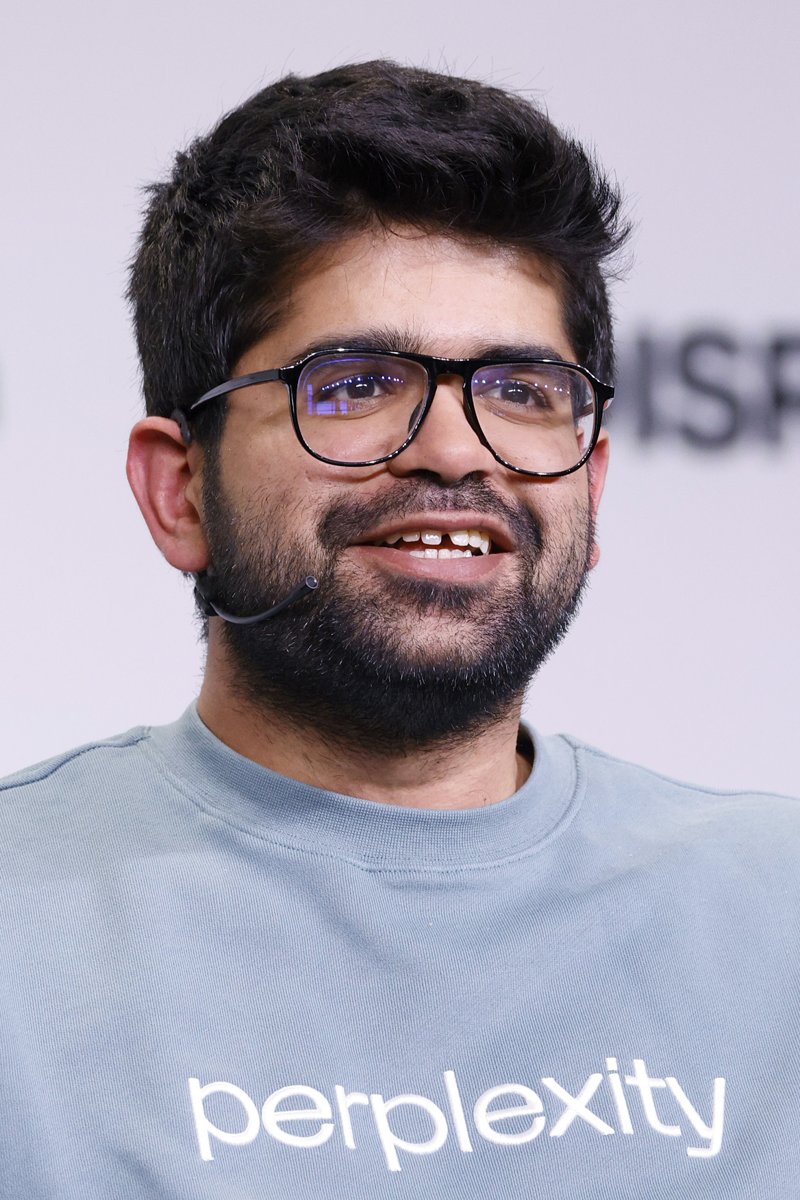 Aravind SrinivasSpeaker
- David LiebHost
Key ideas
Srinivas traces Perplexity from enterprise search demos to a general answer engine, with "the user is never wrong" as a principle and queries per day opening every all-hands.
From a machine transcript of the audio. Quotes link to the moment they are said.
- 1
Pick problems where better AI improves the product
Srinivas says he and Ilya Sutskever concluded that search and self-driving cars were probably the only problems where you can work on AI and product at once, because product use feeds data back into the AI. He adds that a product should keep improving as AI improves, so the company can keep going until AI is solved.
- 2
Demo first, then generalize what works
Perplexity began with enterprise search over tables, but Srinivas says companies such as Crunchbase would not share data, so the team built a Twitter search demo in about a month. Trying to repeat it across domains led them to a more general design that leaves data unstructured and relies on the model at query time, betting that models would keep improving.
- 3
Let usage decide whether to pivot
Srinivas says he was still unsure about the answer product even after people began sharing summaries of themselves. Adding follow-up questions doubled time on the site and raised daily questions, and he concluded it was not worth killing the product to pivot back to enterprise.
- 4
Treat the user as never wrong
Srinivas credits Larry Page with this principle and says he keeps repeating it inside the company. In his example, when a query is ambiguous the AI should ask for clarification rather than say it does not know, and he contrasts that with products that teach users to become better prompt engineers.
- 5
Open every all-hands with queries per day
Srinivas opens every all-hands with queries per day, reviews weekly and monthly growth rather than watching a screen all day, and shares the numbers across the company. He flags bugs directly to the engineer working on them and reads complaints on X because he finds people more honest there, though he admits the company is already slower than it was.
In Aravind’s words
“But I still wasn't sure. And then we released the ability to ask follow-up questions. That doubled the engagement time on the site and also increased the number of questions every day.”
Aravind Srinivas·How To Build The Future: Aravind Srinivas·Watch at 15:57(opens the original in a new tab)“One thing that Larry said is like, you know, I keep reminding everyone in our company about it. The user is never wrong.”
Aravind Srinivas·How To Build The Future: Aravind Srinivas·Watch at 19:22(opens the original in a new tab)“I do think like it makes sense to take a look every week, see the weekly growth rates, see the monthly growth rates and like if something declined and discuss about it”
Aravind Srinivas·How To Build The Future: Aravind Srinivas·Watch at 22:41(opens the original in a new tab)About this entry
- Published
- Feb 21, 2025
- Channel
- Y Combinator
- Type
- Video
- Length
- 34:39
- Language
- English
- Added
- Nov 2, 2026
- Source last checked
- Nov 2, 2026
What’s available here
Original source
Linked. Opens on YouTube.
Player on this page
Available. YouTube’s own player, loaded only when you press play.
Full text or transcript
Not reviewed. No license to show a text version here.
Our summary
Draft. Written by us with AI from a machine transcript of the video’s audio (Whisper) and checked against it. Machine transcripts can mishear; each quote links to the moment so you can hear it. Not yet rights-reviewed.
Ask questions with AI
Not reviewed. Off until there is licensed text to work from.