Arthur Mensch: Open vs Closed - Who Wins and Mistral's Position | E1146
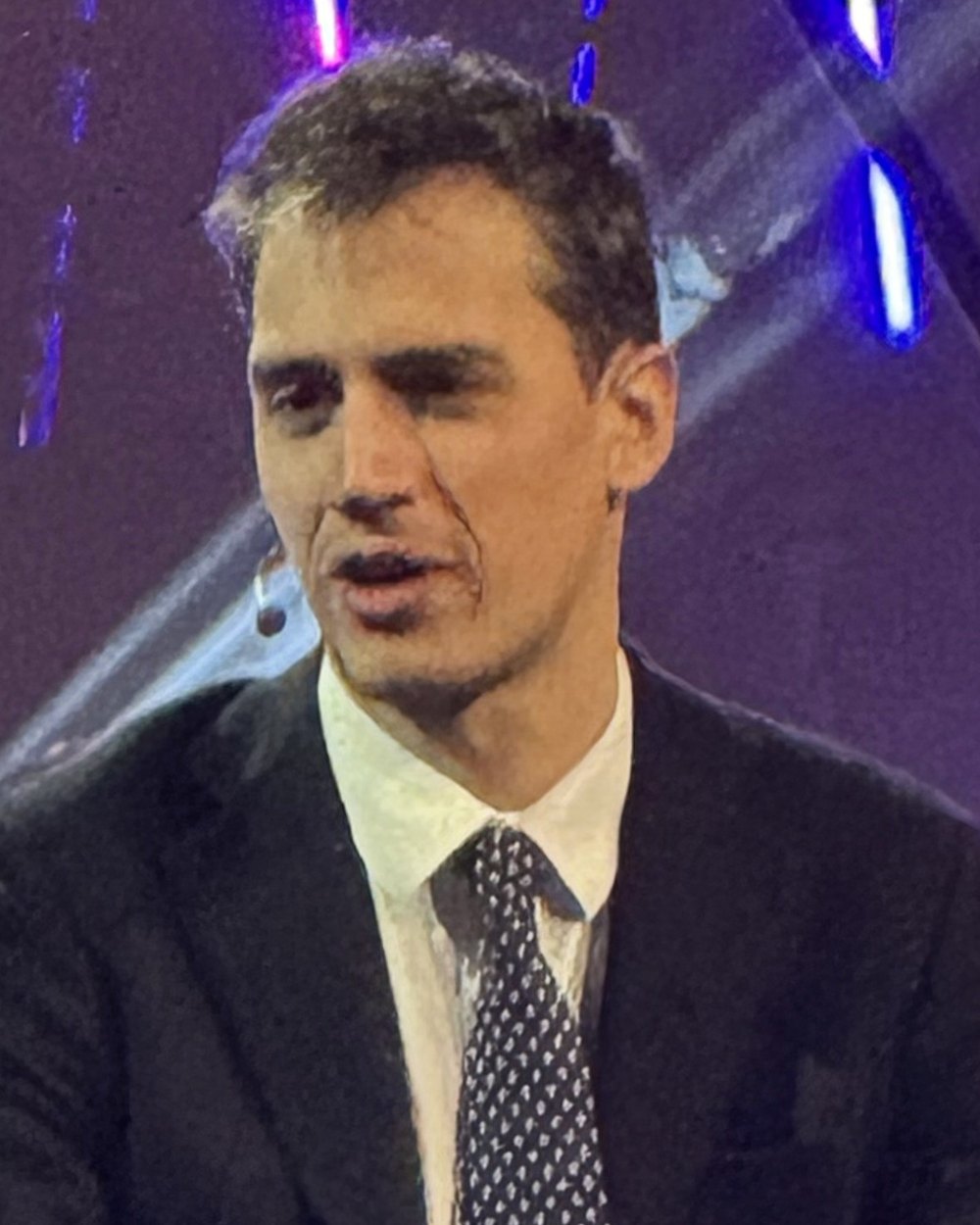 Arthur MenschSpeaker
- Harry StebbingsHost
Key ideas
Mensch explains how Mistral organizes small teams, uses open source for distribution and keeps founder control, while arguing open models move value slightly above the model, toward customization.
From a machine transcript of the audio. Quotes link to the moment they are said.
- 1
Keep teams small and loosely coupled
Mensch says DeepMind taught him that a small team outpaces a large one unless the large one is split into small groups that work independently. At Mistral the groups share infrastructure, code and findings but avoid spending the day on coordination, and he notes the team is still small enough that this is not yet hard.
- 2
Value moves a little above the model
Mensch calls general-purpose models a bit undifferentiated and says what sets an application apart is its data, its user feedback and the judgment about what it should do. He argues that specialized models are hard to build, so Mistral aims to offer tools that let developers do it without expert AI staff, while admitting that pressure runs in both directions, on applications and on models. He still expects the foundational layer to keep a significant part of the value.
- 3
Use open source to earn distribution
Mensch treats open source as a shortcut to distribution because it creates demand, which he sees as a way around enterprises' existing vendor relationships. He says brand matters since people cannot evaluate every model and rely on community vouching, and commercial models grow the business alongside the open ones.
- 4
Keep science and sales in contact
Mensch wants scientists exposed to the product and business teams so they see where models fail, and go-to-market staff trained well enough to explain a technical sale. In hindsight he says it might have been simpler to develop the product a little before go-to-market, though he notes it worked out.
- 5
Protect founder control as you raise
Mensch says that for a young company the vision can only be carried by the founders, so Mistral keeps simple governance and wants supportive long-term partners. He also describes limits a founder cannot skip: capital, hiring and infrastructure can only scale so fast, and he says the company is still bottlenecked by compute.
In Arthur’s words
“A team of five is faster than a team of 50, except if you organize the team of 50 to be 10 teams of five that are sufficiently uncoupled.”
Arthur Mensch·Arthur Mensch: Open vs Closed - Who Wins and Mistral's Position | E1146·Watch at 2:19(opens the original in a new tab)“Bringing freedom to developers and AI application makers is, I think, the best way in distributing generative AI as widely as possible, which is our objective as a company.”
Arthur Mensch·Arthur Mensch: Open vs Closed - Who Wins and Mistral's Position | E1146·Watch at 16:04(opens the original in a new tab)“What is important for a young company like us is to be under the control of the founders because there's a lot of things to be invented and vision can only be carried by them, by us.”
Arthur Mensch·Arthur Mensch: Open vs Closed - Who Wins and Mistral's Position | E1146·Watch at 35:12(opens the original in a new tab)About this entry
- Published
- Apr 29, 2024
- Channel
- 20VC with Harry Stebbings
- Type
- Video
- Length
- 51:00
- Language
- English
- Added
- Nov 2, 2026
- Source last checked
- Nov 2, 2026
What’s available here
Original source
Linked. Opens on YouTube.
Player on this page
Available. YouTube’s own player, loaded only when you press play.
Full text or transcript
Not reviewed. No license to show a text version here.
Our summary
Draft. Written by us with AI from a machine transcript of the video’s audio (Whisper) and checked against it. Machine transcripts can mishear; each quote links to the moment so you can hear it. Not yet rights-reviewed.
Ask questions with AI
Not reviewed. Off until there is licensed text to work from.