Peter Thiel: PayPal, politics & the importance of being individual
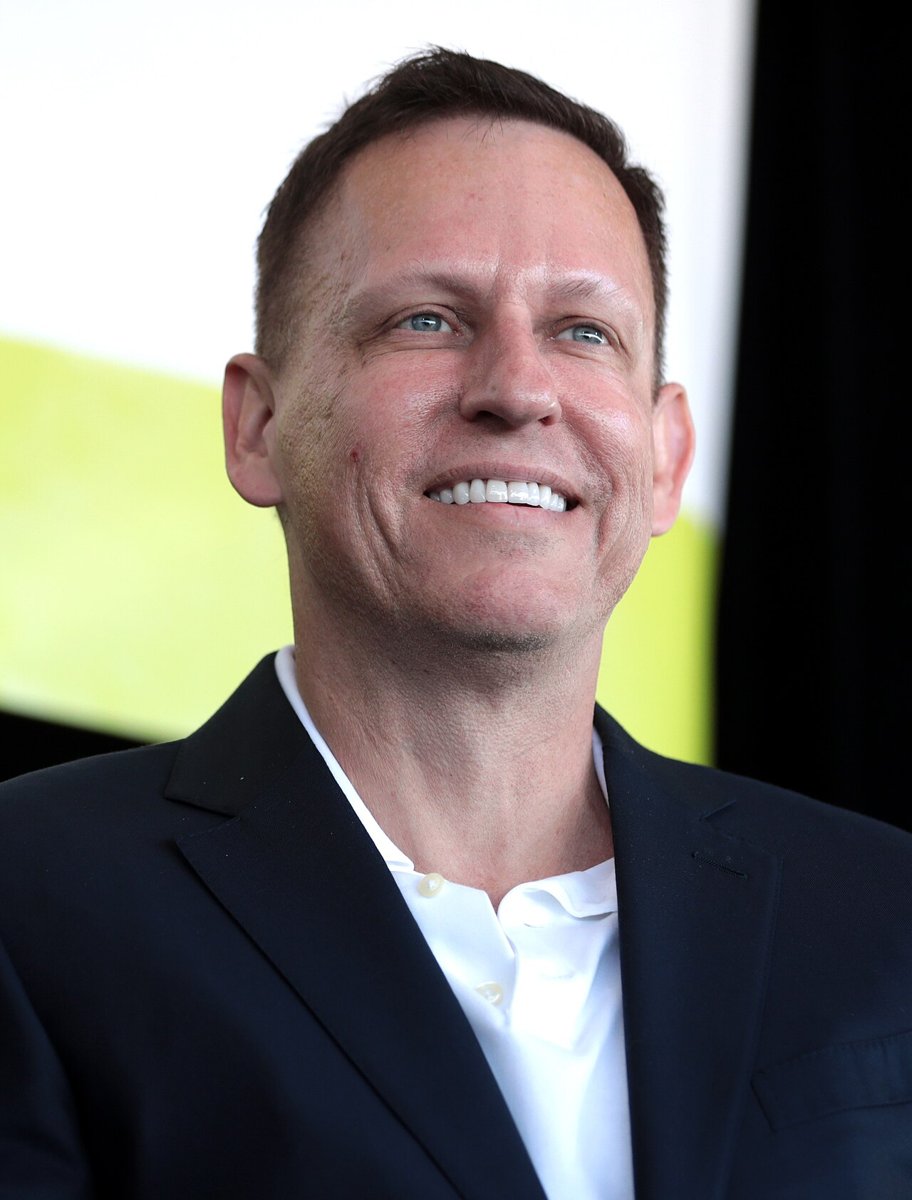 Peter ThielSpeaker
- Teppo FelinHost
Key ideas
At Oxford, Thiel urges founders to resist crowd thinking: build culture on a shared mission, separate roles sharply, start from analysis, and act on conviction rather than luck.
From a machine transcript of the audio. Quotes link to the moment they are said.
- 1
Build culture on a mission, not perks
Thiel says foosball tables and similar perks do not make a culture, and prefers to define it around a common mission. He separates a mission-oriented business, working on a problem nobody else will tackle, from social entrepreneurship, where he says the hope of doing well by doing good often ends in neither.
- 2
Differentiate roles sharply inside the team
Thiel argues conflict comes less from people wanting different things than from wanting the same thing, so giving two people one job is his recipe for it. He tells founders to separate roles as sharply as possible inside the company while sharing a mission that sets it apart from the world, with SpaceX's Mars goal as his example.
- 3
Use analysis, then fine-tune with tests
Thiel accepts minimum viable products and sees A/B testing as useful for fine-tuning, but argues the search space is too large to test your way to an answer. He prefers starting from an analytic view of an important problem and what must be combined to solve it. PayPal moved through several plans in its first year, from Palm Pilots to email payments, and he says changing a dumb idea matters but having one is no virtue.
- 4
Weigh team, technology and strategy separately
Pressed for a formula, Thiel names a great team, great technology and a business strategy with a story of how to get to monopoly, and wants them kept apart because the first two can still produce no business. On teams, he asks how long people have known and worked with each other. He also warns founders not to expect incubators or investors to solve the problems they must figure out themselves.
- 5
Trust conviction over crowds and luck
Thiel warns that crowds go wrong when people's judgments influence one another, and sees much talk of luck as laziness about thinking things through, while conceding that luck is hard to measure because history cannot be rerun. He says that in his venture investing, higher-conviction investments have generally done better than smaller ones, which were often a compromise for not having figured things out.
In Peter’s words
“A mission-oriented business is one where you're working on a problem that if you don't work on it, nobody else in the world will.”
Peter Thiel·Peter Thiel: PayPal, politics & the importance of being individual·Watch at 22:18(opens the original in a new tab)“One of the key management things to always try to do is to differentiate as sharply as you possibly can.”
Peter Thiel·Peter Thiel: PayPal, politics & the importance of being individual·Watch at 16:05(opens the original in a new tab)“If you have a dumb idea, it's important to change it. But it's not virtuous to have a really bad idea in the first place.”
Peter Thiel·Peter Thiel: PayPal, politics & the importance of being individual·Watch at 20:19(opens the original in a new tab)About this entry
- Published
- May 1, 2015
- Channel
- Saïd Business School, University of Oxford
- Type
- Video
- Length
- 1:00:10
- Language
- English
- Added
- Nov 2, 2026
- Source last checked
- Nov 2, 2026
What’s available here
Original source
Linked. Opens on YouTube.
Player on this page
Available. YouTube’s own player, loaded only when you press play.
Full text or transcript
Not reviewed. No license to show a text version here.
Our summary
Draft. Written by us with AI from a machine transcript of the video’s audio (Whisper) and checked against it. Machine transcripts can mishear; each quote links to the moment so you can hear it. Not yet rights-reviewed.
Ask questions with AI
Not reviewed. Off until there is licensed text to work from.