Alibaba's Ma Reflects On 12-Year Journey at China 2.0 Conference
Key ideas
Ma argues founders learn more from mistakes than success stories, that weak infrastructure is the opening for entrepreneurs, and that large platforms carry responsibilities closer to governing.
From a machine transcript of the audio. Quotes link to the moment they are said.
- 1
Study mistakes, not success stories
Ma says what gets written about Alibaba is the success, while the company made many mistakes and had a lot of luck. He says he would like to write a book about the mistakes. He offers the Yahoo China acquisition as his example: he would buy again but not in the same way, because Alibaba had no experience with acquisitions.
- 2
Serve the customer others overlook
Ma says US B2B sites of the time focused on big companies and on saving buyers money. Seeing few big private companies in China, Alibaba chose small businesses and tried to help them sell abroad. He says small firms already know how to cut costs, so the useful help is in making money.
- 3
Missing infrastructure is the opening
Ma says weak credit, banking and logistics were given as reasons e-commerce could not work in China, and he treats them as the reason entrepreneurs were needed. He says people called Alipay's escrow model stupid, and that what mattered was whether customers wanted it and whether it kept improving. On competing with eBay, when people said there was no chance, he describes choosing to fight on home water.
- 4
Large platforms make policy
Ma says a marketplace of Taobao's size has more users than some countries, so its rule changes behave like government policy, as when adding credit records to search ranking drew a protest at the company. He says it now needs sociologists and economists, and rejects empire thinking in favour of an ecosystem. That is his stated reason for dividing Taobao and leaving room for competitors.
- 5
Prepare early and expand patiently
Ma expects China to face in a few years what the US and Europe were then facing, and says the response is to prepare rather than complain, which is one of his stated reasons for a year in the US, alongside needing rest. On going abroad, he recalls expanding as soon as money arrived, retreating to China in 2002 under the idea of global vision and local win, and now asking what value he can bring to local people.
In Jack’s words
“Today, people always write about the successful stories about Alibaba. And I really don't think we're so smart. We made so many mistakes. We were so stupid at that time.”
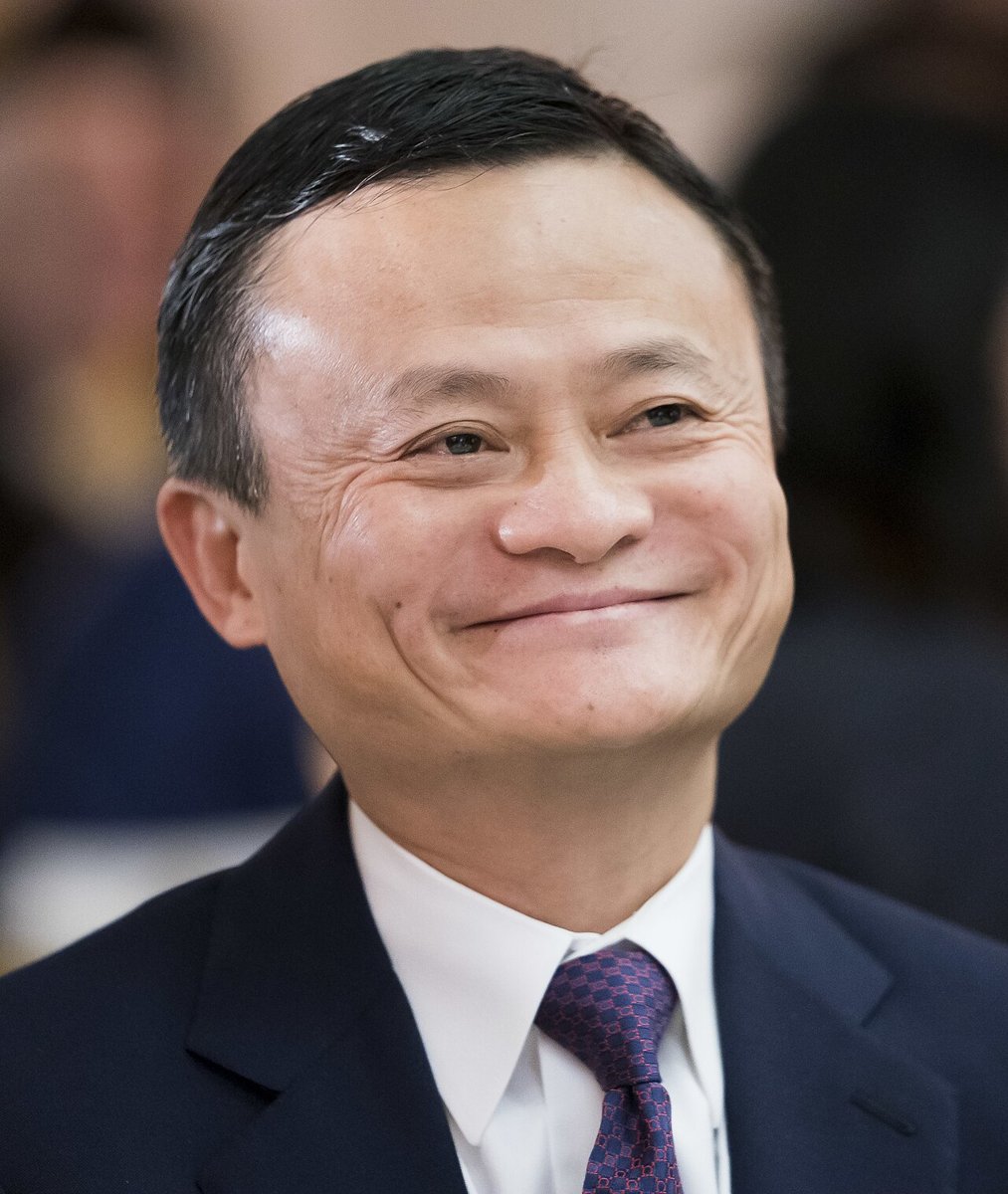 Jack Ma·Alibaba's Ma Reflects On 12-Year Journey at China 2.0 Conference·Watch at 8:49(opens the original in a new tab)
“We believe, don't teach the SME, don't teach the small business how to save the cost. Because they know much better than you do. You should help them how to make money.”
Jack Ma·Alibaba's Ma Reflects On 12-Year Journey at China 2.0 Conference·Watch at 6:10(opens the original in a new tab)“But I think because China is not a good at logistic, not good at credit system, not good at banking system, that's why we need the entrepreneurship. That's why we should go and build them up.”
Jack Ma·Alibaba's Ma Reflects On 12-Year Journey at China 2.0 Conference·Watch at 10:12(opens the original in a new tab)About this entry
- Published
- Oct 6, 2011
- Channel
- Stanford Graduate School of Business
- Type
- Video
- Length
- 56:48
- Language
- English
- Added
- Nov 2, 2026
- Source last checked
- Nov 2, 2026
What’s available here
Original source
Linked. Opens on YouTube.
Player on this page
Available. YouTube’s own player, loaded only when you press play.
Full text or transcript
Not reviewed. No license to show a text version here.
Our summary
Draft. Written by us with AI from a machine transcript of the video’s audio (Whisper) and checked against it. Machine transcripts can mishear; each quote links to the moment so you can hear it. Not yet rights-reviewed.
Ask questions with AI
Not reviewed. Off until there is licensed text to work from.