Jack Ma, Alibaba Group: Stanford GSB 2015 Entrepreneurial Company of the Year
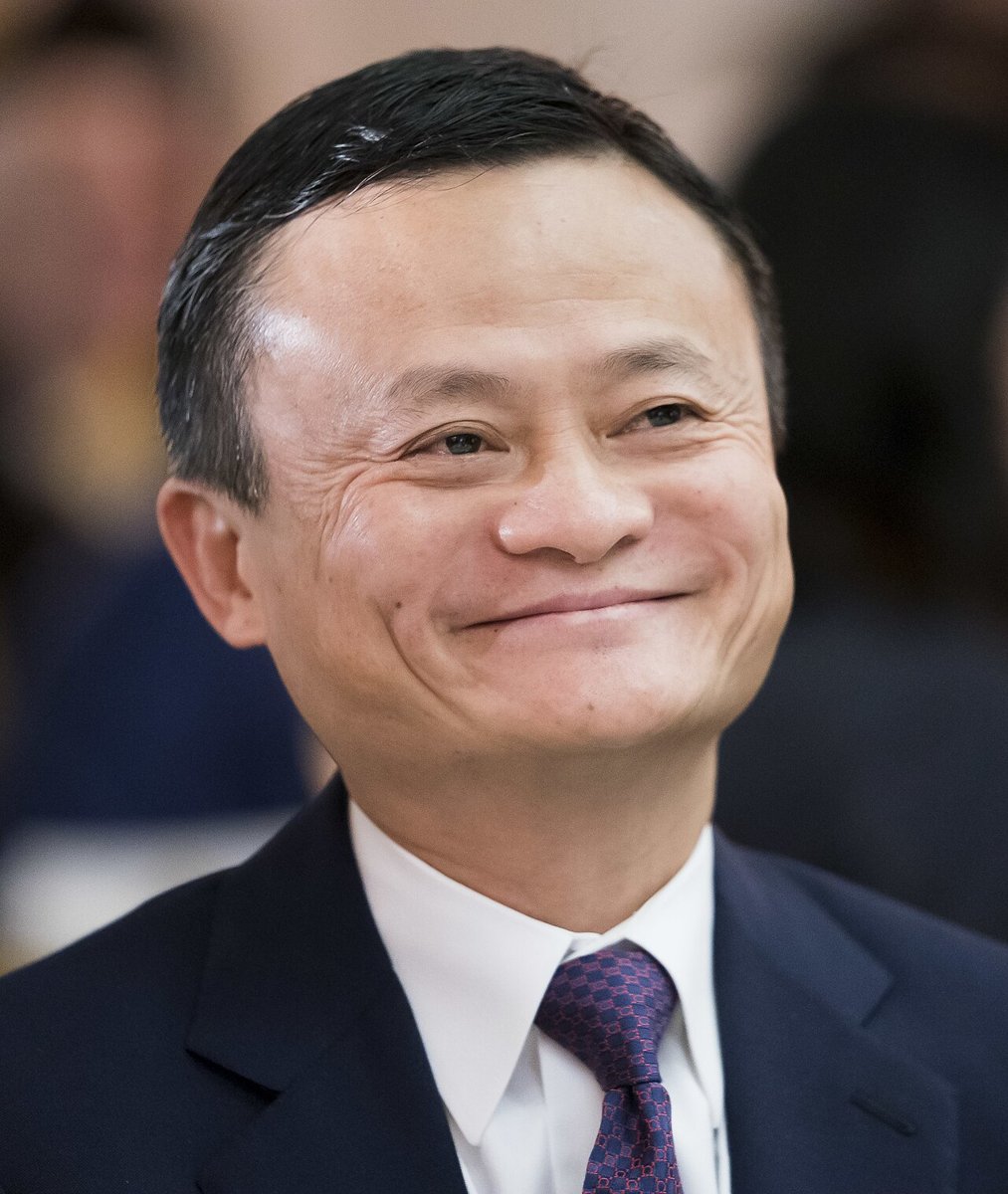 Jack MaSpeaker
- Jerry YangHost
Key ideas
Ma explains Alibaba as infrastructure that enables other businesses rather than a retailer, and argues that weak existing systems and unfashionable places can be a startup's advantage.
From a machine transcript of the audio. Quotes link to the moment they are said.
- 1
Make long-term goals specific
Ma says a goal of lasting 100 years became a slogan nobody took seriously in China, so Alibaba set 102 years, which would span three centuries from its 1999 founding. He says people believe a target when it is specific. With 86 years to go by his count, he says the company does not discuss whether it has succeeded.
- 2
Enable others instead of selling yourself
Ma rejects comparisons with Amazon and eBay, saying Alibaba does not buy and sell but gives other businesses marketplaces, payment, data and logistics. He applies the same logic to delivery: he expects China to need at least 10 million couriers and doubts one company could manage even a tenth of them, so he prefers enabling third parties.
- 3
Weak existing systems create the opening
Ma argues e-commerce and internet finance grew faster in China because existing retail and banking were poor, while in America strong retail left e-commerce as a supplement. He says Alipay began as an escrow service after banks turned him down and people called the idea stupid. Asked about other markets, he points to countries with many small businesses, poor infrastructure and young people.
- 4
Choose where a startup can stand out
Asked why Hangzhou, Ma says Beijing favoured state-owned companies and Shanghai favoured multinationals, while at home a startup would stand out. He adds that a joint venture with China Telecom and a government contract in Beijing convinced him the government's instinct then was to control the internet, while he wanted to help others develop business.
- 5
Spending a fortune well is hard
Ma says a billion dollars is other people's expectation placed on you, a resource to manage rather than your own money. He argues doing good takes knowledge and capability as well as good intent, so he has supported a master's degree in philanthropy with Beijing University. He says Alibaba commits 0.3% of revenue to environmental protection.
In Jack’s words
“We do not buy and sell. We help people become e-commerce company. We enable other companies to do e-commerce. This is the difference between us and Amazon.”
Jack Ma·Jack Ma, Alibaba Group: Stanford GSB 2015 Entrepreneurial Company of the Year·Watch at 35:59(opens the original in a new tab)“Because our financial system in China was too bad. When it is too bad, it's the opportunity.”
Jack Ma·Jack Ma, Alibaba Group: Stanford GSB 2015 Entrepreneurial Company of the Year·Watch at 1:01:40(opens the original in a new tab)“So I said if in Beijing, we're nobody. In Shanghai, we're nobody. If we go back to Hangzhou, we're the only child of the local family.”
Jack Ma·Jack Ma, Alibaba Group: Stanford GSB 2015 Entrepreneurial Company of the Year·Watch at 31:18(opens the original in a new tab)About this entry
- Published
- Sep 30, 2015
- Channel
- Stanford Graduate School of Business
- Type
- Video
- Length
- 1:08:04
- Language
- English
- Added
- Nov 2, 2026
- Source last checked
- Nov 2, 2026
What’s available here
Original source
Linked. Opens on YouTube.
Player on this page
Available. YouTube’s own player, loaded only when you press play.
Full text or transcript
Not reviewed. No license to show a text version here.
Our summary
Draft. Written by us with AI from a machine transcript of the video’s audio (Whisper) and checked against it. Machine transcripts can mishear; each quote links to the moment so you can hear it. Not yet rights-reviewed.
Ask questions with AI
Not reviewed. Off until there is licensed text to work from.