Co-Founder Conflict & Why I Quit my Startup | How to Fix a Dying Company | Founder’s Journey: Ep.2
Key ideas
Using his resignation from his first startup, Tan argues co-founders can fail through too little conflict as well as too much, and gives a remedy for each.
From a machine transcript of the audio. Quotes link to the moment they are said.
- 1
Too little conflict can also kill you
Tan says he and his co-founder were friends for years, yet stopped spending time together to avoid conflict just as growth flatlined. He blames himself for giving way on product, personnel and strategy in order to look like a good co-founder, and says resentment grew until he could not sleep or eat. He treats keeping contact to a minimum as a warning sign, and says he resigned at the end of 2010.
- 2
Stay in the room until it resolves
For founders who avoid conflict, Tan advises refusing to end a disagreement without a resolution, even if that means cancelling a weekend or going on a retreat. He says some of the best founders he knows did this. He also urges erring toward giving more feedback, and making sure you are heard when you have a point.
- 3
Too much conflict usually means unclear roles
Tan lists the signs of too much conflict: factions, horse trading, long acrimonious meetings and decisions reopened again and again. He says this usually means nobody knows who owns what. He cites Heroku's founders, who he recalls listed every company task and gave each one owner, who gathers feedback and makes the call while others disagree and commit.
- 4
Listen well enough to state their case
When conflict feels fundamental, Tan says the loudest person should not automatically win and suggests repeating back the strongest version of the other side's argument. He cites a thread by Shreyas Doshi on why listening is hard, and admits he is bad at it himself, especially when he hears things that go against his convictions.
- 5
Bring in outside help early
Tan advises talking to other founders, friends and executive coaches, and involving your board, investors and advisors despite the embarrassment. He says third-party help can save a startup at an intractable point, and that wrong decisions can cost you the company, so this is no place to cheap out. He names Torch, which he discloses he funded at Initialized and which was founded by his own first coach.
In Garry’s words
“I sacrificed what I knew to be right at the altar of this idea that good co-founders don't fight.”
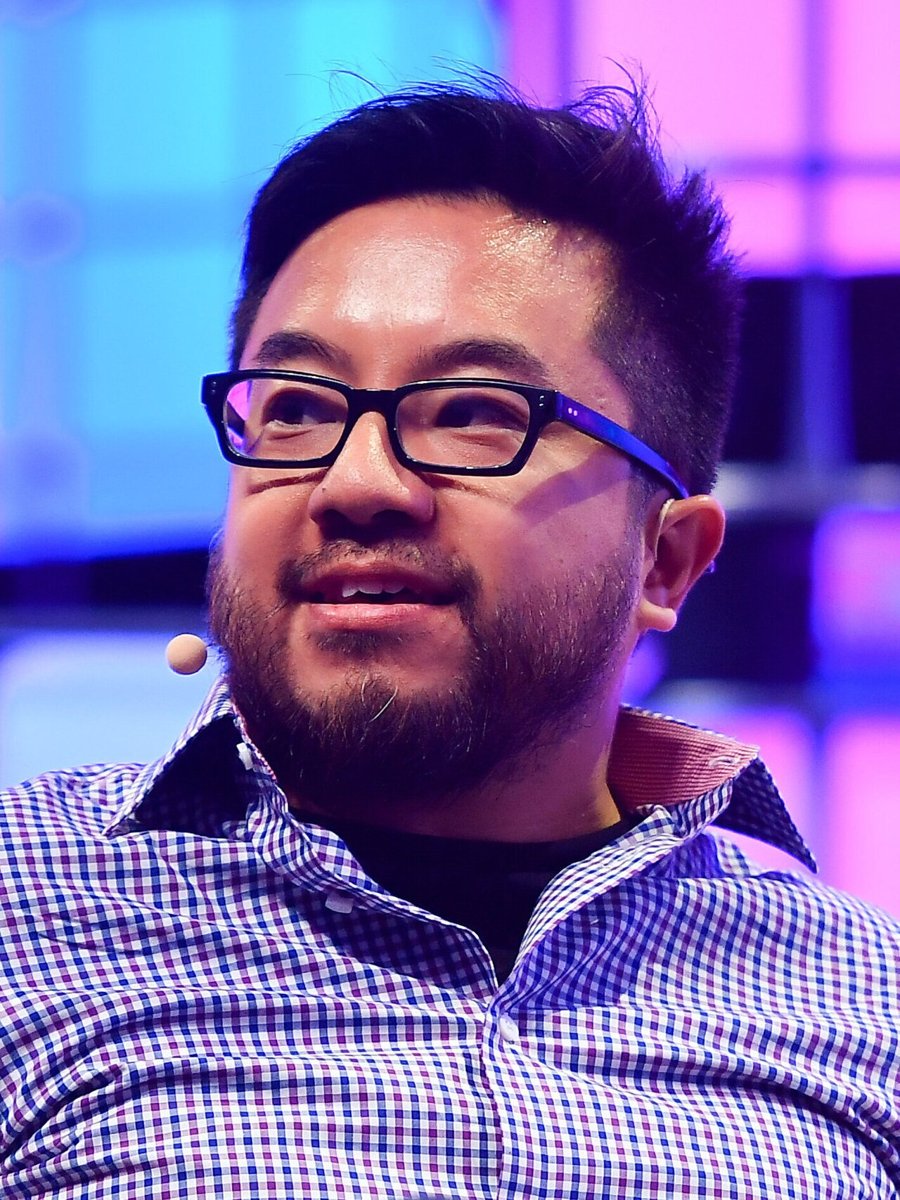 Garry Tan·Co-Founder Conflict & Why I Quit my Startup | How to Fix a Dying Company | Founder’s Journey: Ep.2·Watch at 2:54(opens the original in a new tab)
“If you don't agree on something, don't leave the room until you have a resolution.”
Garry Tan·Co-Founder Conflict & Why I Quit my Startup | How to Fix a Dying Company | Founder’s Journey: Ep.2·Watch at 4:35(opens the original in a new tab)“When founders are in a situation where they're fighting about everything all the time, it usually means that their individual roles are not well-defined enough.”
Garry Tan·Co-Founder Conflict & Why I Quit my Startup | How to Fix a Dying Company | Founder’s Journey: Ep.2·Watch at 7:07(opens the original in a new tab)About this entry
- Published
- Jan 30, 2021
- Channel
- Garry Tan
- Type
- Video
- Length
- 13:52
- Language
- English
- Added
- Nov 2, 2026
- Source last checked
- Nov 2, 2026
What’s available here
Original source
Linked. Opens on YouTube.
Player on this page
Available. YouTube’s own player, loaded only when you press play.
Full text or transcript
Not reviewed. No license to show a text version here.
Our summary
Draft. Written by us with AI from a machine transcript of the video’s audio (Whisper) and checked against it. Machine transcripts can mishear; each quote links to the moment so you can hear it. Not yet rights-reviewed.
Ask questions with AI
Not reviewed. Off until there is licensed text to work from.