Gene Pool Engineering for Entrepreneurs
Key ideas
Khosla argues startups should hire against their biggest risks and opportunities, mixing age, industry and problem-solving backgrounds, rather than filling functional roles.
- 1
A startup becomes the people it hires
Khosla writes that founders and their first hires set a startup's culture and shape how its plans evolve, since successful startups seldom follow their original plans. He accepts that standard functional recruiting can work, but argues it is not sufficient for a company whose main job is managing risk and change.
- 2
Hire against your five largest risks
His process: name the five largest risks, define the skills needed, find centers of excellence inside and outside your industry, list the top experts at each, then hire two or three people with diverse backgrounds per risk. He separates risks from components, so a team might hire for an unproven heat-management problem rather than for manufacturing in general.
- 3
Seek specific diversity, not the generic kind
Khosla means diversity of age, industry experience, problem-solving portfolio and creativity. His example is a CEO who assured him the team had 15 PhDs, none from outside the market and none under 35, which he reads as a sign of a sub-optimal team. He argues veterans can spare a team known dead ends, while younger engineers bring fewer industry biases.
- 4
Let recruiting teach you the business
Khosla wants senior people who understand the problem, not placement agents or junior staff, to drive the search, because talking to candidates about risks can refine the plan. He urges seeking skeptical opinions and persisting with good candidates who aren't looking.
- 5
Repeat the process for opportunities
Khosla says risk-tuned hiring is not enough, and tells teams to run the same steps on the five largest opportunities. He adds that a team built around risks may itself surface opportunities that become the focus of the next round of recruiting.
In Vinod’s words
“Great ideas suffering from poor execution can kill companies, while less spectacular ideas coupled with phenomenal teams can quickly swing a company from troubled to a success.”
Vinod Khosla·Gene Pool Engineering for Entrepreneurs·Read in context(opens the original in a new tab)“What an un-engineered or imprecisely-engineered team might have to learn through product iterations (each of which could take months), a precisely-engineered team could learn through conversations (each of which could take a few minutes).”
Vinod Khosla·Gene Pool Engineering for Entrepreneurs·Read in context(opens the original in a new tab)“To me, when recruiting, a “no interest” is a “maybe” and a “maybe” is a yes!”
Vinod Khosla·Gene Pool Engineering for Entrepreneurs·Read in context(opens the original in a new tab)About this entry
- Published
- May 14, 2015
- Publisher
- khoslaventures.com
- Type
- Essay
- Language
- English
- Added
- Nov 2, 2026
- Source last checked
- Nov 2, 2026
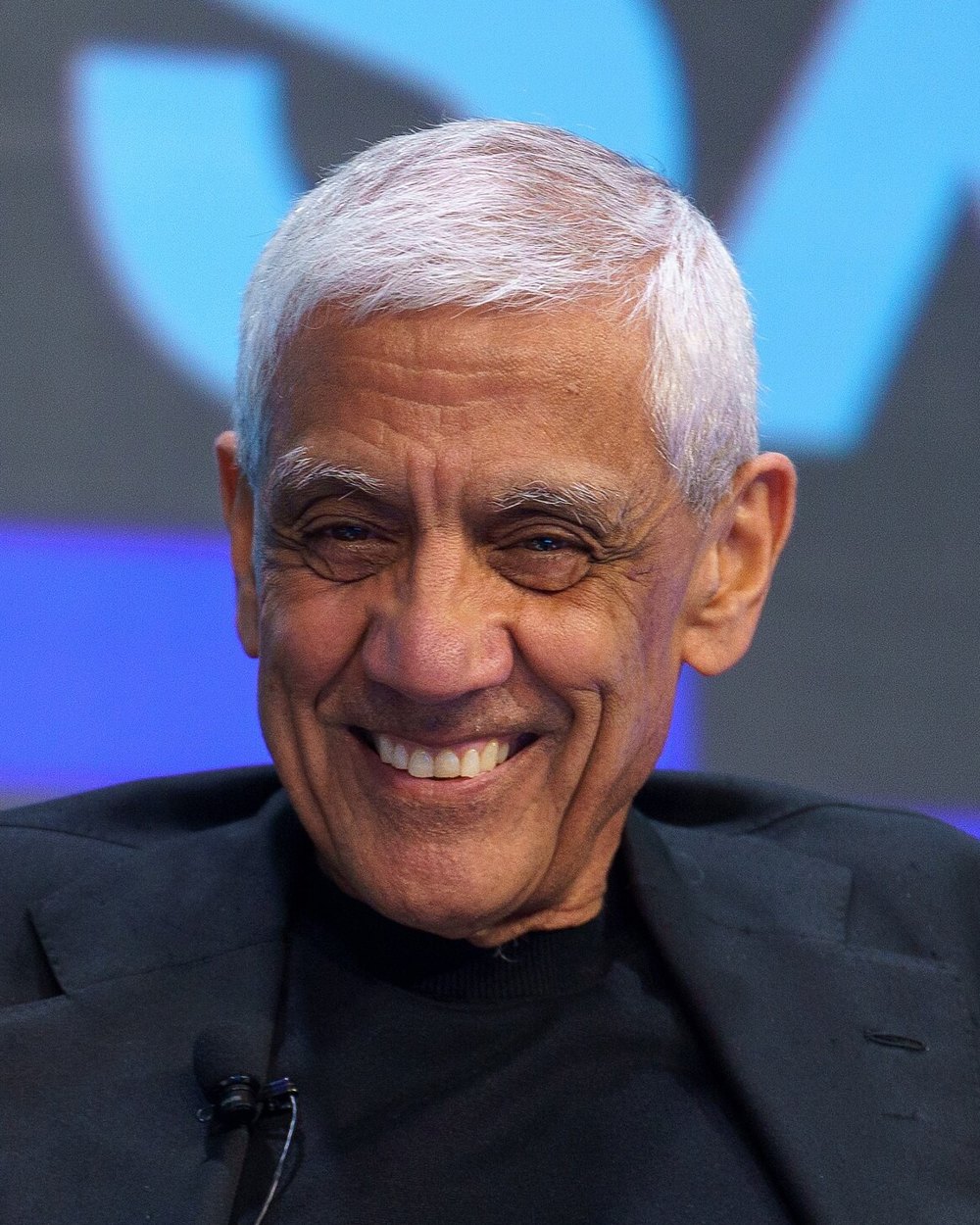
Cover photo of Vinod Khosla, not from this work: Jay Dixit, CC BY 4.0, via Wikimedia Commons.
What’s available here
Original source
Linked. Opens on the publisher’s site.
Player on this page
Not applicable. Written piece; nothing to play.
Full text or transcript
Not reviewed. No license to show a text version here.
Our summary
Draft. Written by us with AI from the full public text and checked against it; quotes are word for word. Not yet rights-reviewed.
Ask questions with AI
Not reviewed. Off until there is licensed text to work from.