Vinod Khosla, MBA '80: Failure does not matter. Success matters.
Key ideas
Khosla tells Stanford students to act on their own beliefs, accept likely failure for consequential upside, give honest advice, and measure what they say matters.
From a machine transcript of the audio. Quotes link to the moment they are said.
- 1
People remember success, not your failures
Khosla points out that people remember Sun but not the company he started shortly before it, and says his willingness to fail is what lets him succeed. He argues fear keeps most people from trying what matters, while conceding that persistence works most of the time, not always.
- 2
Follow a belief system, not expectations
Khosla says that whatever he believes, he should make happen, and tells of sitting in a customer's lobby until its CEO would meet him, which ended in a handwritten contract. He argues most people, including many big-company CEOs, lack an internal compass and do what others expect of them.
- 3
Tell people the honest truth
Khosla recounts other investors staying polite in a board meeting about a plan he doubted, after which, he says, 40 engineers wasted three or four years. He favors constructive honesty because the receiver can act on it. He concedes it offends people, has hurt him at least once, and is a luxury his financial freedom lets him enjoy.
- 4
Take risks where success would matter
Khosla treats venture bets as options: he assumes the money is lost, looks only at the upside, and bans IRR calculations, which he says create the illusion of knowing. He tells students change happens at uncertain edges, not where a market forecast already exists, citing a study that put experts' forecasts about level with dart-throwing monkeys. He allows that other investing styles are also good strategies.
- 5
Measure what you say matters
Khosla says he had his time reported monthly across about 20 categories, including how often he had dinner at home with his kids, against what he calls an impossible goal of 25 times a month. He says it took a year or so to reach, and argues work-life balance is possible if you set priorities explicitly and measure them.
In Vinod’s words
“I like to say my willingness to fail is what gives me the ability to succeed. I find most people are so afraid of failing, they don't try and do the things that would be important enough to do.”
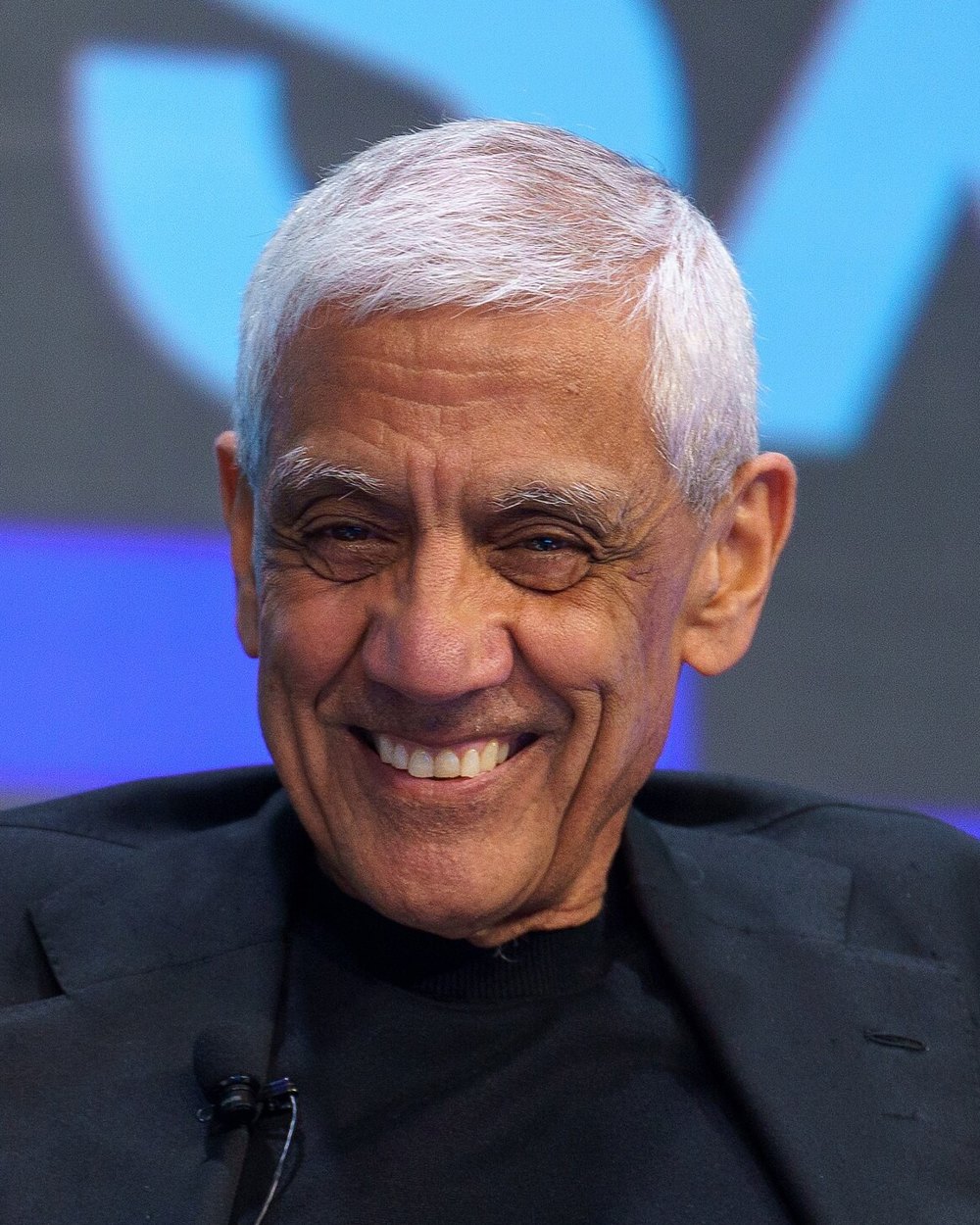 Vinod Khosla·Vinod Khosla, MBA '80: Failure does not matter. Success matters.·Watch at 3:54(opens the original in a new tab)
“And I prefer that brutal honesty because it serves a purpose. The receiver can do something about it if it's a constructive criticism.”
Vinod Khosla·Vinod Khosla, MBA '80: Failure does not matter. Success matters.·Watch at 13:31(opens the original in a new tab)“In the edges where things are uncertain is where all the evolution is. And where interesting changes in business or society happen.”
Vinod Khosla·Vinod Khosla, MBA '80: Failure does not matter. Success matters.·Watch at 28:08(opens the original in a new tab)About this entry
- Published
- May 11, 2015
- Channel
- Stanford Graduate School of Business
- Type
- Video
- Length
- 54:44
- Language
- English
- Added
- Nov 2, 2026
- Source last checked
- Nov 2, 2026
What’s available here
Original source
Linked. Opens on YouTube.
Player on this page
Available. YouTube’s own player, loaded only when you press play.
Full text or transcript
Not reviewed. No license to show a text version here.
Our summary
Draft. Written by us with AI from a machine transcript of the video’s audio (Whisper) and checked against it. Machine transcripts can mishear; each quote links to the moment so you can hear it. Not yet rights-reviewed.
Ask questions with AI
Not reviewed. Off until there is licensed text to work from.