A Cheeky Pint with Coinbase CEO Brian Armstrong
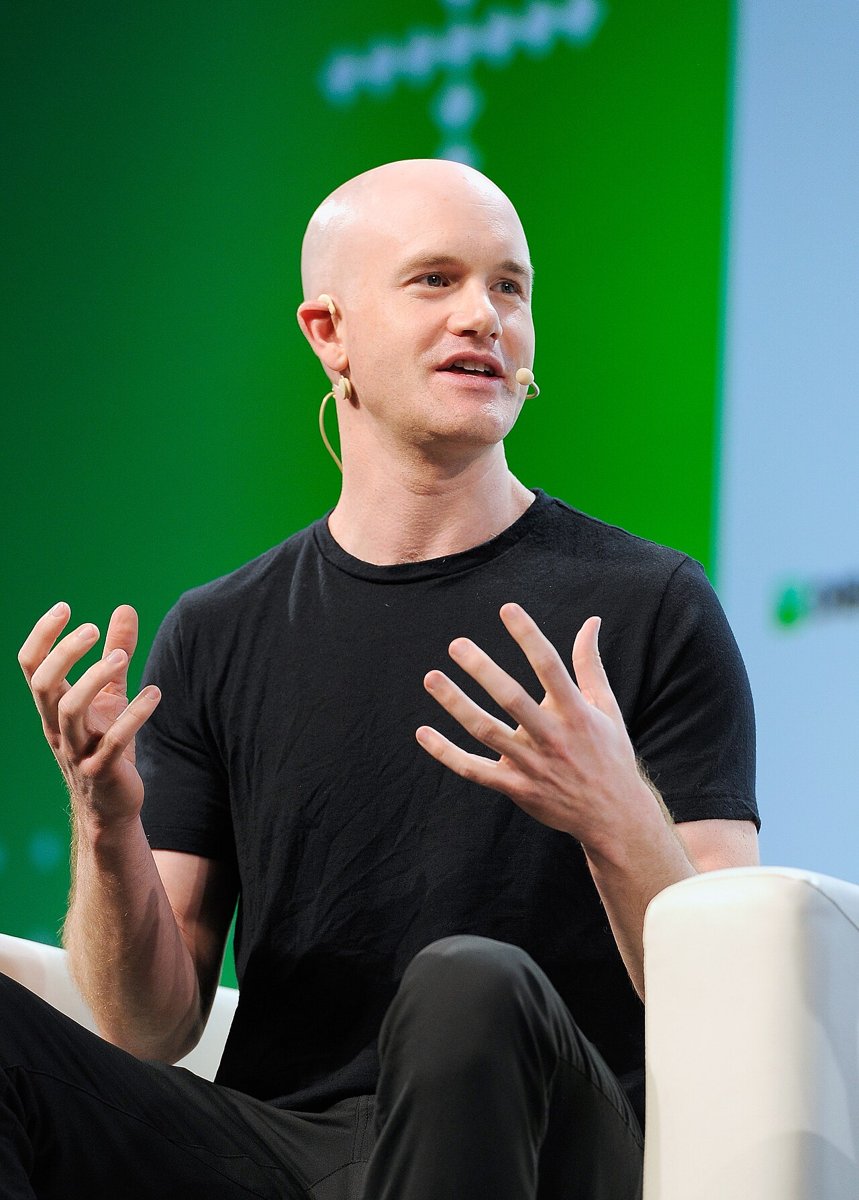 Brian ArmstrongSpeaker
- John CollisonHost
Key ideas
Armstrong credits Coinbase's survival to being regulated and credible early, then explains how he funds internal venture bets and uses clarity, even when unpopular, to lead.
From a machine transcript of the audio. Quotes link to the moment they are said.
- 1
Stack up credibility in a wild market
Armstrong says Coinbase chose a regulated path when some other crypto companies were anonymous, and collected what he calls credibility indicators: Y Combinator, a US bank relationship and money transmitter licenses. He says this let the company launch products others could not, attract enough talent, and avoid being shut down. Unsure whether there is a lesson in it, he suggests entering a field before others find it interesting, as crypto was then.
- 2
Success brings its own near-death moments
Armstrong calculated that customer deposits would outgrow company cash in about eight weeks, so he and an engineer built cold storage in that time, though a friend had estimated years for a team of ten. He also recalls a support account hack that was caught only by luck of timing, and a ticket backlog that forced a support team to be hired fast using a hard quiz and five-minute interviews.
- 3
Fund bets like internal venture capital
Armstrong describes twice-yearly internal pitches where a yes from any one of several leaders, out of their own budget, funds the project, so a single no cannot kill it. He says he personally voted no on USDC and was wrong, and that Base began as a small protected bet that went through several ideas. He frames the CEO's job here as creating the conditions, and he keeps some resources on these bets even while others argue the core is underfunded.
- 4
Choose clarity over being liked
Armstrong says working with Balaji showed him he had leaned toward being liked rather than being clear about direction and the bar. He describes the mission-first post and exit package as fixing a failure of clarity; people warned half the company might quit, and he says 5% did. He was similarly direct on AI tools, requiring engineers to onboard within a week and firing some who had no good reason not to.
- 5
Build political will rather than polite relationships
Armstrong says Coinbase's efforts in Washington went nowhere until he realized Congress rarely acts without pressure. Coinbase funded an effort to organize crypto users, and he pushed to grade politicians A to F and to back pro-crypto candidates in either party, despite angry calls from both sides. He adds that he does not claim full credit, since many others worked on this.
In Brian’s words
“you don't want to jump in and be like, you know, the 42nd AI company or something. You want to jump into something when you think it's cool, nobody else thinks it's cool.”
Brian Armstrong·A Cheeky Pint with Coinbase CEO Brian Armstrong·Watch at 4:11(opens the original in a new tab)“as CEO, it's not so much my job to come up with the next great idea. It's to create the right environment where good ideas can happen and be nurtured.”
Brian Armstrong·A Cheeky Pint with Coinbase CEO Brian Armstrong·Watch at 1:09:45(opens the original in a new tab)“I was failing as a leader before that because I was not creating clarity in the organization.”
Brian Armstrong·A Cheeky Pint with Coinbase CEO Brian Armstrong·Watch at 1:03:11(opens the original in a new tab)About this entry
- Published
- Aug 20, 2025
- Channel
- Stripe
- Type
- Video
- Length
- 1:17:05
- Language
- English
- Added
- Nov 2, 2026
- Source last checked
- Nov 2, 2026
What’s available here
Original source
Linked. Opens on YouTube.
Player on this page
Available. YouTube’s own player, loaded only when you press play.
Full text or transcript
Not reviewed. No license to show a text version here.
Our summary
Draft. Written by us with AI from a machine transcript of the video’s audio (Whisper) and checked against it. Machine transcripts can mishear; each quote links to the moment so you can hear it. Not yet rights-reviewed.
Ask questions with AI
Not reviewed. Off until there is licensed text to work from.