Brian Armstrong: When Washington Tried to Kill Coinbase
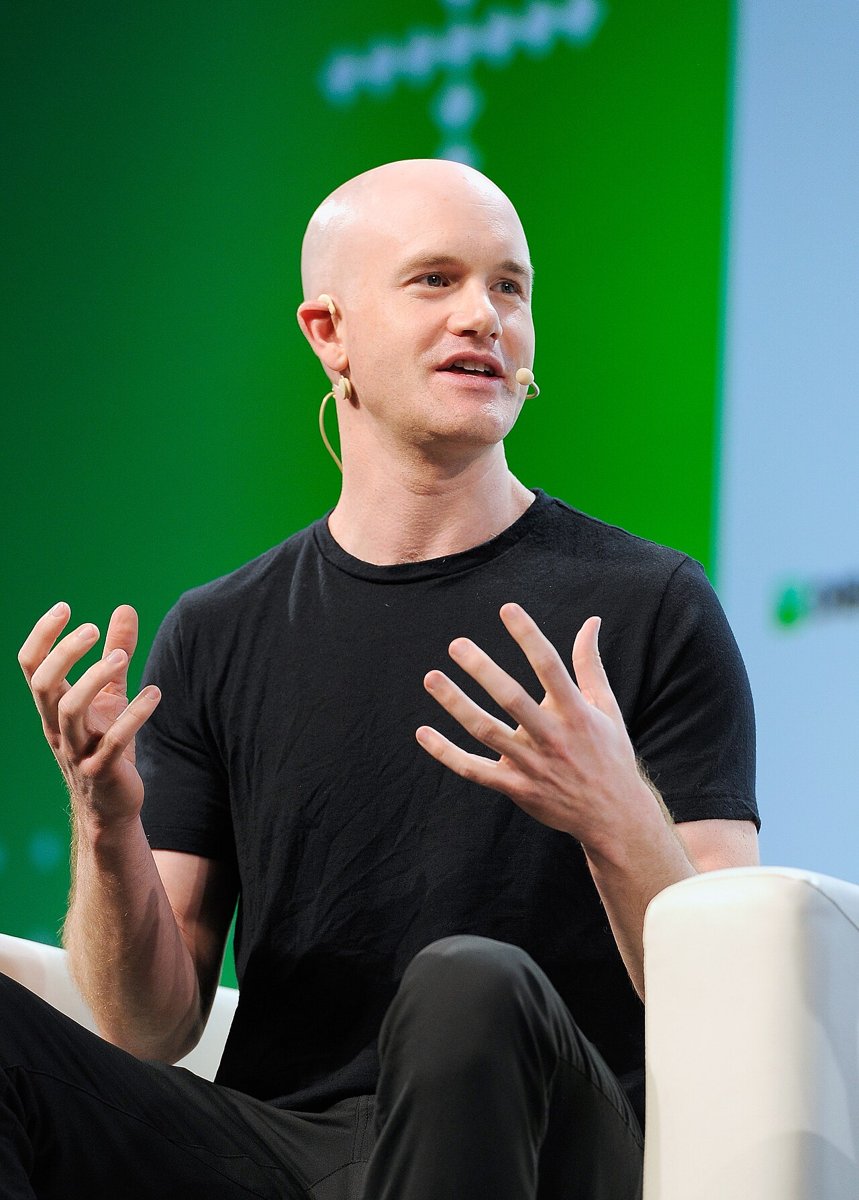 Brian ArmstrongSpeaker
- David SenraHost
Key ideas
Armstrong explains how committing to one long-term mission shaped hard calls at Coinbase, from finding a way past bank refusals to suing its regulator and accepting being disliked.
From a machine transcript of the audio. Quotes link to the moment they are said.
- 1
Choose work you'd do for decades
Armstrong says he first chased passive income through a tutoring service and rental houses, then found that every business is difficult. After reading Seth Godin's The Dip, he wrote down what he would do for 20 years even with little success, landed on tech entrepreneurship, and shut down the rest. He now tells founders that if it will take decades anyway, they might as well pick the larger thing they actually care about.
- 2
Find the need, then get creative
Armstrong recounts a phone call in which a user said he had no Bitcoin, which pointed to a buy button, but banks hung up on him and a license looked out of reach at his seed budget. With a Y Combinator introduction to Silicon Valley Bank, he paid $30,000 for a legal opinion that got an account opened, a price he had first thought crazy, and he says the product then found its market.
- 3
Hire the outlier over the resume
Armstrong says he looks at past work and at whether he leaves an interview with more energy than he brought. His example is an early customer support hire: a credentialed Google manager who seemed low energy lost out to a recent graduate and former lumberjack who had written his thesis on Bitcoin, and Armstrong counts such high-agency people among his best hires.
- 4
Accept being disliked for the mission
Armstrong says being disliked causes him stress but does not stop him. He published the mission-first post despite people begging him not to, offered severance and saw 5% leave, and he says a founder knows the company could be rebuilt from a laptop. He also chose to sue the SEC against advice, estimating $50 million to $100 million in legal cost and far greater stock damage, in exchange for what he saw as the long-term goal, and he says the SEC later withdrew its case.
- 5
Build routines against burnout
Armstrong says he watched peers from his batch burn out within a few years, and that he hit his own patch every couple of years. His responses were to delegate more, stop doing some things and take fewer direct reports, along with a strict routine of sleep, exercise, nutrition, brief meditation and about an hour away from screens before bed. He also draws fulfillment from whichever hard problem moves the company forward, even when it is draining.
In Brian’s words
“What are the things I am passionate enough about where I would do it for the next 20 years, even if I saw a little or no success?”
Brian Armstrong·Brian Armstrong: When Washington Tried to Kill Coinbase·Watch at 28:34(opens the original in a new tab)“It's not that I like being disliked. It actually causes me a fair amount of stress, too. But I don't let that stop me from doing what I think is the right thing.”
Brian Armstrong·Brian Armstrong: When Washington Tried to Kill Coinbase·Watch at 14:58(opens the original in a new tab)“the nature of innovation is like you have to be willing to be misunderstood. And then the key part is you have to also be right”
Brian Armstrong·Brian Armstrong: When Washington Tried to Kill Coinbase·Watch at 1:29:54(opens the original in a new tab)About this entry
- Published
- Mar 1, 2026
- Channel
- David Senra
- Type
- Video
- Length
- 1:49:44
- Language
- English
- Added
- Nov 2, 2026
- Source last checked
- Nov 2, 2026
What’s available here
Original source
Linked. Opens on YouTube.
Player on this page
Available. YouTube’s own player, loaded only when you press play.
Full text or transcript
Not reviewed. No license to show a text version here.
Our summary
Draft. Written by us with AI from a machine transcript of the video’s audio (Whisper) and checked against it. Machine transcripts can mishear; each quote links to the moment so you can hear it. Not yet rights-reviewed.
Ask questions with AI
Not reviewed. Off until there is licensed text to work from.