Towards Humanist Superintelligence
Key ideas
Suleyman argues for purpose before capability: superintelligence built for specific human problems, with limits on autonomy, rather than a race to systems that beat everyone at everything.
- 1
Ask what the technology is for
Suleyman says the field should spend less time debating capabilities and timing and more on what people want from AI and what its limits should be. He calls this probably the most important question of our time.
- 2
Put safety before speed, in that order
Suleyman describes his vision as human-centered first and accelerating second, so that harm is avoided before pace is pushed. He says his team rejects the narrative of a race to AGI and binaries of boom and doom.
- 3
Narrow the scope to reduce the risk
Suleyman favors domain-specific systems over one designed to beat humans at all tasks, arguing they pose less severe alignment and containment challenges. His examples are AI companions, medical diagnosis and clean energy, with real restrictions on autonomy.
- 4
Admit what is not solved
Suleyman writes that nobody he has met has a reassuring answer on how to guarantee superintelligence is safe, and he invites rebuttals. He adds that a self-improving system would need containing and aligning constantly, by every lab, startup and government.
- 5
State your limits in public
Suleyman acknowledges hard trade-offs under competitive pressure and a collective action problem in which less safe models might develop faster. He says he published this to start a conversation with the field, regulators and the public, and that he welcomes accountability and oversight.
In Mustafa’s words
“Here's a question that's not getting the attention it deserves: what kind of AI does the world really want?”
Mustafa Suleyman·Towards Humanist Superintelligence·Read in context(opens the original in a new tab)“The order is key. It means proactively avoiding harm and then accelerating.”
Mustafa Suleyman·Towards Humanist Superintelligence·Read in context(opens the original in a new tab)“No AI developer, no safety researcher, no policy expert, no person I've encountered has a reassuring answer to this question.”
Mustafa Suleyman·Towards Humanist Superintelligence·Read in context(opens the original in a new tab)About this entry
- Published
- Nov 6, 2025
- Publisher
- microsoft.ai
- Type
- Essay
- Language
- English
- Added
- Nov 2, 2026
- Source last checked
- Nov 2, 2026
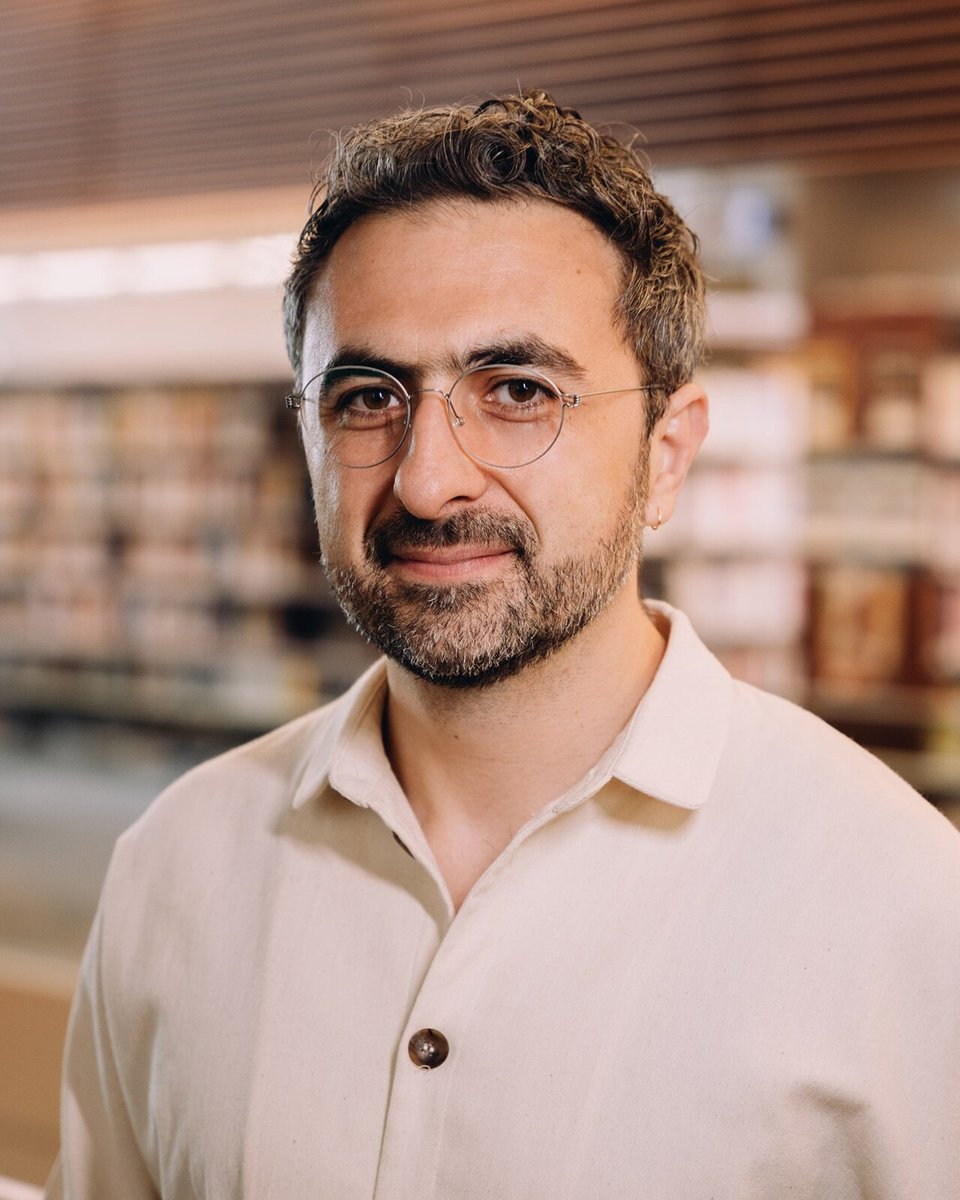
Cover photo of Mustafa Suleyman, not from this work: Christopher Wilson, CC BY-SA 4.0, via Wikimedia Commons.
What’s available here
Original source
Linked. Opens on the publisher’s site.
Player on this page
Not applicable. Written piece; nothing to play.
Full text or transcript
Not reviewed. No license to show a text version here.
Our summary
Draft. Written by us with AI from the full public text and checked against it; quotes are word for word. Not yet rights-reviewed.
Ask questions with AI
Not reviewed. Off until there is licensed text to work from.