One Order of Operations for Starting a Startup
Key ideas
Seibel offers first-time founders a path with no great idea required: pick a problem, brainstorm with friends who may become co-founders, then ship a minimal product.
- 1
You do not need a great idea
Seibel writes that many technical people hold back because they lack an idea they consider great. As counterexamples, Justin.tv began as a livestreamed reality show, and Airbnb began with airbeds for sold-out conferences, a purpose almost none of its later bookings fit.
- 2
Start with a problem you care about
Seibel's first step is finding a problem you are passionate about, drawn from growing up, family, school, interests, work or a relationship. Some problems feel important and others feel like toys, and Seibel reports seeing both kinds grow into billion-dollar companies.
- 3
Brainstorm with people who could join you
With a problem chosen, Seibel suggests brainstorming solutions with smart friends who riff rather than reject, including technical ones if you are not technical. Shared ownership of the result makes this the moment to ask them to build it. Someone with no access to technical people might, Seibel suggests, work at a startup for a year or two to make those friends.
- 4
Ship the smallest thing users can try
Seibel defines an MVP as the smallest product that lets you start offering the service, and accepts manual work behind the scenes at this stage. Airbnb's early version lacked maps, profiles, messaging and payments. Once you have first users of any kind, Seibel says, you have a startup.
- 5
Two paths that make it harder
Seibel warns against pitching an idea to investors before building, and against paying others to build because no founder can code, since investors look at the team and outsourced engineers tend to be less motivated and fairly expensive. Seibel acknowledges many counterexamples and calls this a recommended path, not the only one and not necessarily the best.
In Michael’s words
“A great brainstorm can often not only provide you with an idea, it can also provide you with co-founders (so pick your brainstorming partners carefully).”
Michael Seibel·One Order of Operations for Starting a Startup·Read in context(opens the original in a new tab)“Resist the temptation to build your complete solution because in reality you have no idea whether it will work.”
Michael Seibel·One Order of Operations for Starting a Startup·Read in context(opens the original in a new tab)“The problem there is that good investors are actually investing in the team you’ve built.”
Michael Seibel·One Order of Operations for Starting a Startup·Read in context(opens the original in a new tab)About this entry
- Published
- Mar 20, 2018
- Publisher
- ycombinator.com
- Type
- Essay
- Language
- English
- Added
- Nov 2, 2026
- Source last checked
- Nov 2, 2026
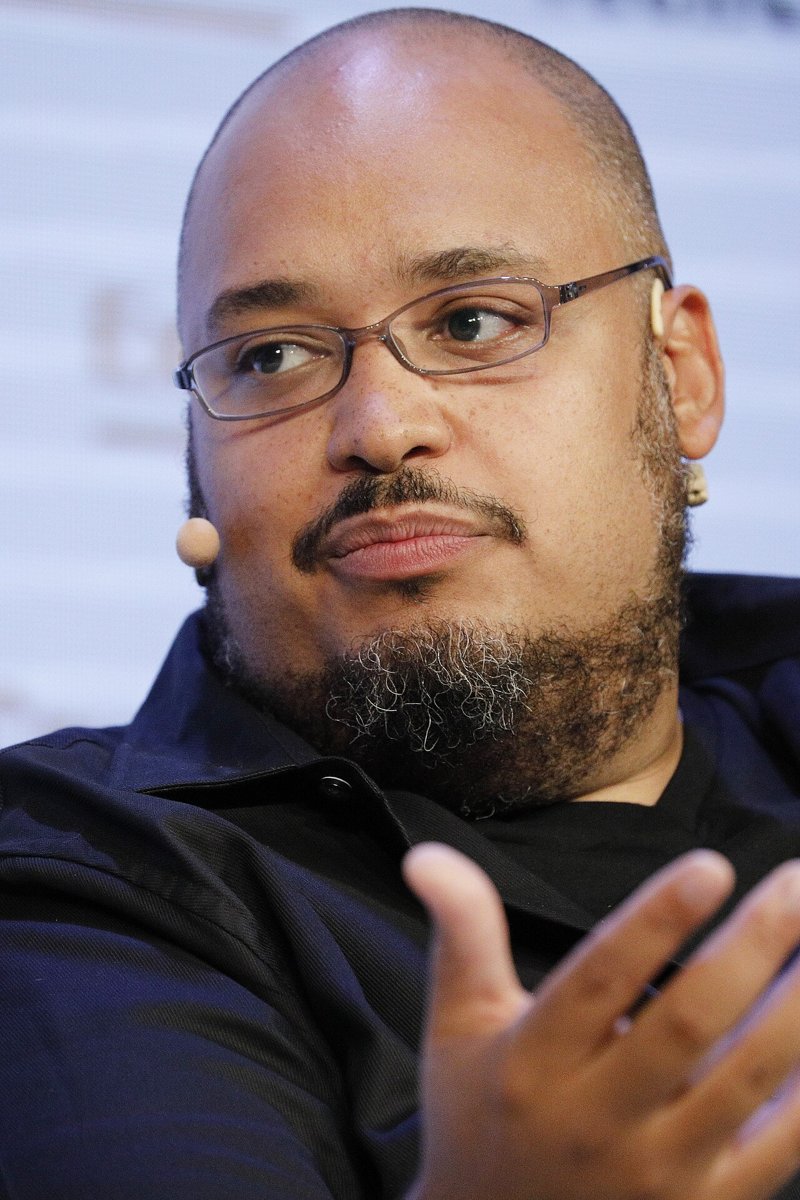
Cover photo of Michael Seibel, not from this work: TechCrunch, CC BY 2.0, via Wikimedia Commons.
What’s available here
Original source
Linked. Opens on the publisher’s site.
Player on this page
Not applicable. Written piece; nothing to play.
Full text or transcript
Not reviewed. No license to show a text version here.
Our summary
Draft. Written by us with AI from the full public text and checked against it; quotes are word for word. Not yet rights-reviewed.
Ask questions with AI
Not reviewed. Off until there is licensed text to work from.