Open Source AI is the Path Forward
Key ideas
Zuckerberg argues open-source AI will follow Linux's path, explaining why releasing Llama suits developers and Meta's business, and why he thinks it is safer for the world.
- 1
Avoid building on someone else's terms
Zuckerberg writes that being limited by what Apple allows on its platforms shaped his thinking, citing its fees, rules and blocked products. He says this is a major reason he believes in open ecosystems for the next generation of computing. He reports hearing the same worry from organizations that do not want a closed provider to change terms or stop serving them.
- 2
Give away what you don't sell
Zuckerberg answers the worry about losing a technical edge by pointing out that Meta does not earn its money from selling model access, so releasing Llama does not undercut its revenue. He adds that he expects competition to stay close enough that one open model gives little away. He says this also separates Meta from closed providers, whose revenue would be undercut.
- 3
An open standard needs other users
Zuckerberg argues that Llama only becomes a full ecosystem of tools and optimizations if companies beyond Meta use it, otherwise it would fare no better than closed Unix variants. He cites Meta's past open designs and tools as having paid back when it stuck with them over the long term. He says earlier Llama releases did not focus on this, so Meta is now building teams and partnerships for it.
- 4
Read the future from past platforms
Zuckerberg opens with Unix and Linux: closed versions seemed unbeatable, then the open one won first on flexibility and price, and later on capability. He says he believes AI will develop in a similar way, and predicts the Llama 3.1 release will be an inflection point. These are his forecasts, written while announcing Meta's own product.
- 5
Why he says open serves the world
Zuckerberg says open source spreads AI's benefits and keeps power from concentrating, and that open systems can be more widely scrutinized, which he expects to help with unintentional harm. On intentional harm, he argues that broad deployment lets larger institutions check smaller bad actors. He also argues that closing models would not keep them from states like China, and says a closed-only world seems most likely to leave startups and universities missing out.
In Mark’s words
“One of my formative experiences has been building our services constrained by what Apple will let us build on their platforms.”
Mark Zuckerberg·Open Source AI is the Path Forward·Read in context(opens the original in a new tab)“a key difference between Meta and closed model providers is that selling access to AI models isn't our business model.”
Mark Zuckerberg·Open Source AI is the Path Forward·Read in context(opens the original in a new tab)“Open source will ensure that more people around the world have access to the benefits and opportunities of AI, that power isn't concentrated in the hands of a small number of companies”
Mark Zuckerberg·Open Source AI is the Path Forward·Read in context(opens the original in a new tab)About this entry
- Published
- Jul 23, 2024
- Publisher
- about.fb.com
- Type
- Essay
- Language
- English
- Added
- Nov 2, 2026
- Source last checked
- Nov 2, 2026
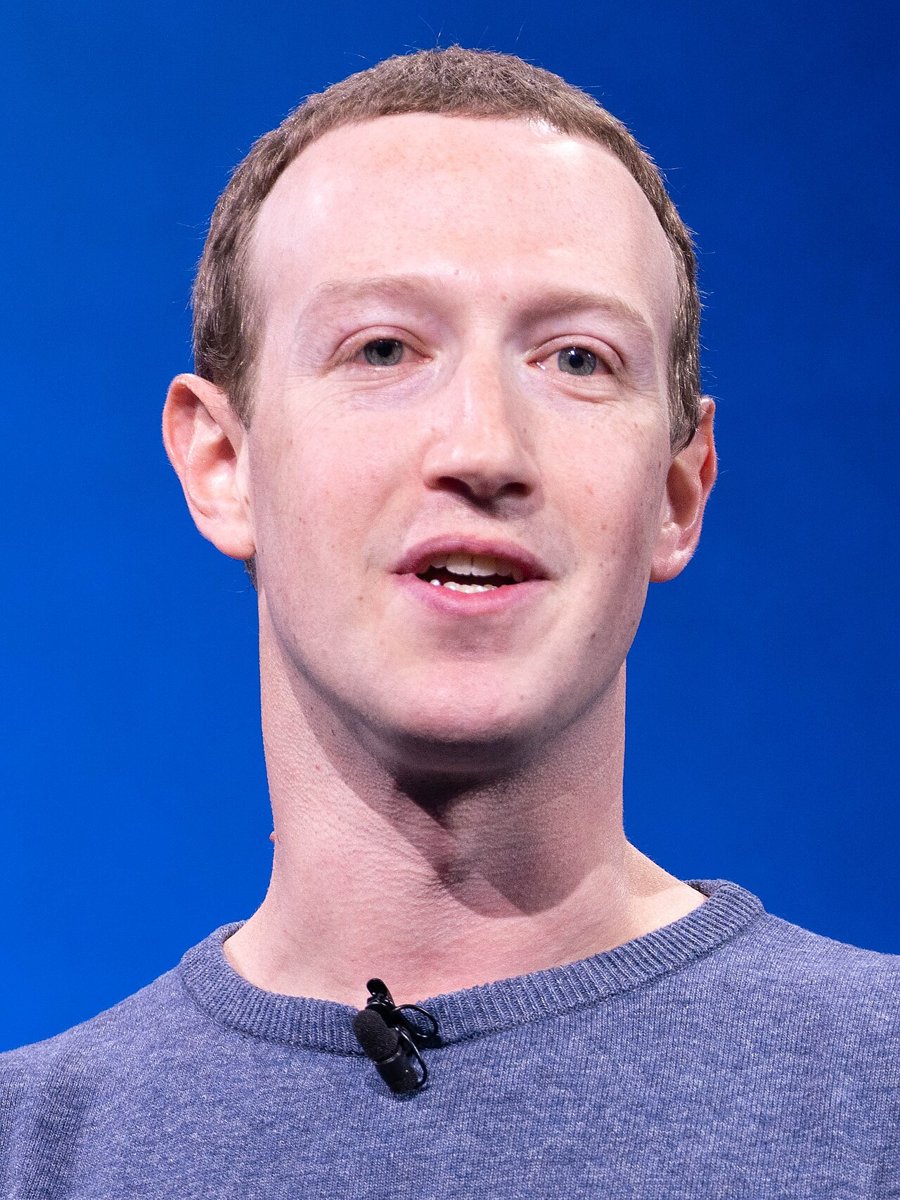
Cover photo of Mark Zuckerberg, not from this work: Anthony Quintano from Westminster, United States, CC BY 2.0, via Wikimedia Commons.
What’s available here
Original source
Linked. Opens on the publisher’s site.
Player on this page
Not applicable. Written piece; nothing to play.
Full text or transcript
Not reviewed. No license to show a text version here.
Our summary
Draft. Written by us with AI from the full public text and checked against it; quotes are word for word. Not yet rights-reviewed.
Ask questions with AI
Not reviewed. Off until there is licensed text to work from.