
Maker's Schedule, Manager's Schedule
Key ideas
Graham argues that makers need long unbroken blocks of time, so a single meeting costs them far more than it costs someone on a manager's schedule.
- 1
Two kinds of schedule
Graham distinguishes the manager's day, sliced into hourly slots, from the maker's day, which works in units of at least half a day because hard work needs time to get started.
- 2
Meetings change the mode of work
For a maker, Graham says, a meeting does more than swap tasks: it splits an afternoon into fragments too small for hard work and can even discourage starting ambitious work earlier in the day.
- 3
Powerful people should restrain themselves
Because most people with power run on the manager's schedule, they can impose it on everyone; Graham argues the smarter ones hold back when their team needs long stretches of time.
- 4
Partition the day
He describes office hours clustered at the end of his working day, and an earlier habit of programming at night, as ways to fit manager-style meetings into a maker's schedule.
- 5
Speculative meetings are expensive for makers
Casual 'grab coffee' meetings are nearly free for managers but cost a maker half a day; Graham asks only that managers understand that cost.
In Paul’s words
“A single meeting can blow a whole afternoon, by breaking it into two pieces each too small to do anything hard in.”
 Paul Graham·Maker's Schedule, Manager's Schedule·Read in context(opens the original in a new tab)
“For someone on the maker's schedule, having a meeting is like throwing an exception.”
Paul Graham·Maker's Schedule, Manager's Schedule·Read in context(opens the original in a new tab)“All we ask from those on the manager's schedule is that they understand the cost.”
Paul Graham·Maker's Schedule, Manager's Schedule·Read in context(opens the original in a new tab)Connected in lessons
About this entry
- Published
- Jul 2009 (month only)
- Publisher
- paulgraham.com
- Type
- Essay
- Language
- English
- Added
- Nov 1, 2026
- Source last checked
- Nov 1, 2026
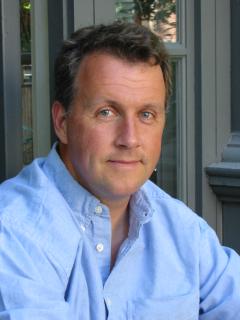
Cover photo of Paul Graham, not from this work: Gabor Cselle, CC BY 2.0, via Wikimedia Commons.
What’s available here
Original source
Linked. Opens on the publisher’s site.
Player on this page
Not applicable. Written piece; nothing to play.
Full text or transcript
Not reviewed. No license to show a text version here.
Our summary
Draft. Written by us with AI from the full public text and checked against it; quotes are word for word. Not yet rights-reviewed.
Ask questions with AI
Not reviewed. Off until there is licensed text to work from.