Grow the Puzzle Around You
Key ideas
Livingston tells how an unlikely mix of traits suited Y Combinator and argues founders should build on what is distinctive about them, not copy the press's founder type.
- 1
Founders come in more than one shape
Livingston lists what made her suited to YC: reading people, planning events, being maternal and empathetic, being direct, and not being driven by money or fame. She points out how far that sits from the founder profile in the press, and says it was still critical to YC. She also reports no conventional early signs of success, including a decade in which she says she achieved nothing of note.
- 2
Ask what is distinctive about you
Livingston argues that not everyone can start every startup, but many more people can start some startup than realize it, because many, perhaps all, people have a distinctive mix of abilities and interests that may match an idea. She says the most successful startups tend to grow out of founders' lives, and suggests the oddest mixes may be the most valuable.
- 3
Judge founders when numbers don't exist yet
Livingston says the growth figures and market-size estimates VCs relied on didn't exist at YC's stage, so YC needed technical people to assess ideas and someone to assess founders' characters and the relationships between them. She looked for earnest, determined, flexible-minded people and watched the cofounder dynamic, usually staying silent in interviews. She says she tried to keep conceited founders out early on, and thinks that is the basis of the alumni culture.
- 4
Try it small, then keep what works
Livingston says funding a batch began only as a way for inexperienced investors to learn, and that within weeks it looked promising: founders had colleagues and YC could help them all at once. YC then committed to batches and moved the next one to Silicon Valley so that no copycat would take that position. She adds that having stayed small is what made the move possible within months, and that YC still tests things on a small scale before expanding them.
- 5
Pick a cofounder and ignore the mainstream
Among her closing lessons, Livingston advises a cofounder whose skills complement yours and whose morals match, noting she and Graham agreed on the big questions and deferred to each other on the small ones. She says outside opinion doesn't matter unless it comes from users, that rejection shouldn't stop you, and that founders need enough boldness to work on ideas most people would consider stupid.
In Jessica’s words
“What unique combination of abilities and interests do you have? And don't edit your answers, because as my example shows, the most unlikely ingredients could be the key to the recipe.”
Jessica Livingston·Grow the Puzzle Around You·Read in context(opens the original in a new tab)“We had to judge the founders not by what they were, but what they could turn into.”
Jessica Livingston·Grow the Puzzle Around You·Read in context(opens the original in a new tab)“You could change your shape to fit an existing hole in the world. That was the traditional plan. But there's another way that can often be better for you and for the world: to grow a new puzzle around you.”
Jessica Livingston·Grow the Puzzle Around You·Read in context(opens the original in a new tab)About this entry
- Published
- Jun 30, 2018
- Publisher
- foundersatwork.posthaven.com
- Type
- Essay
- Language
- English
- Added
- Nov 2, 2026
- Source last checked
- Nov 2, 2026
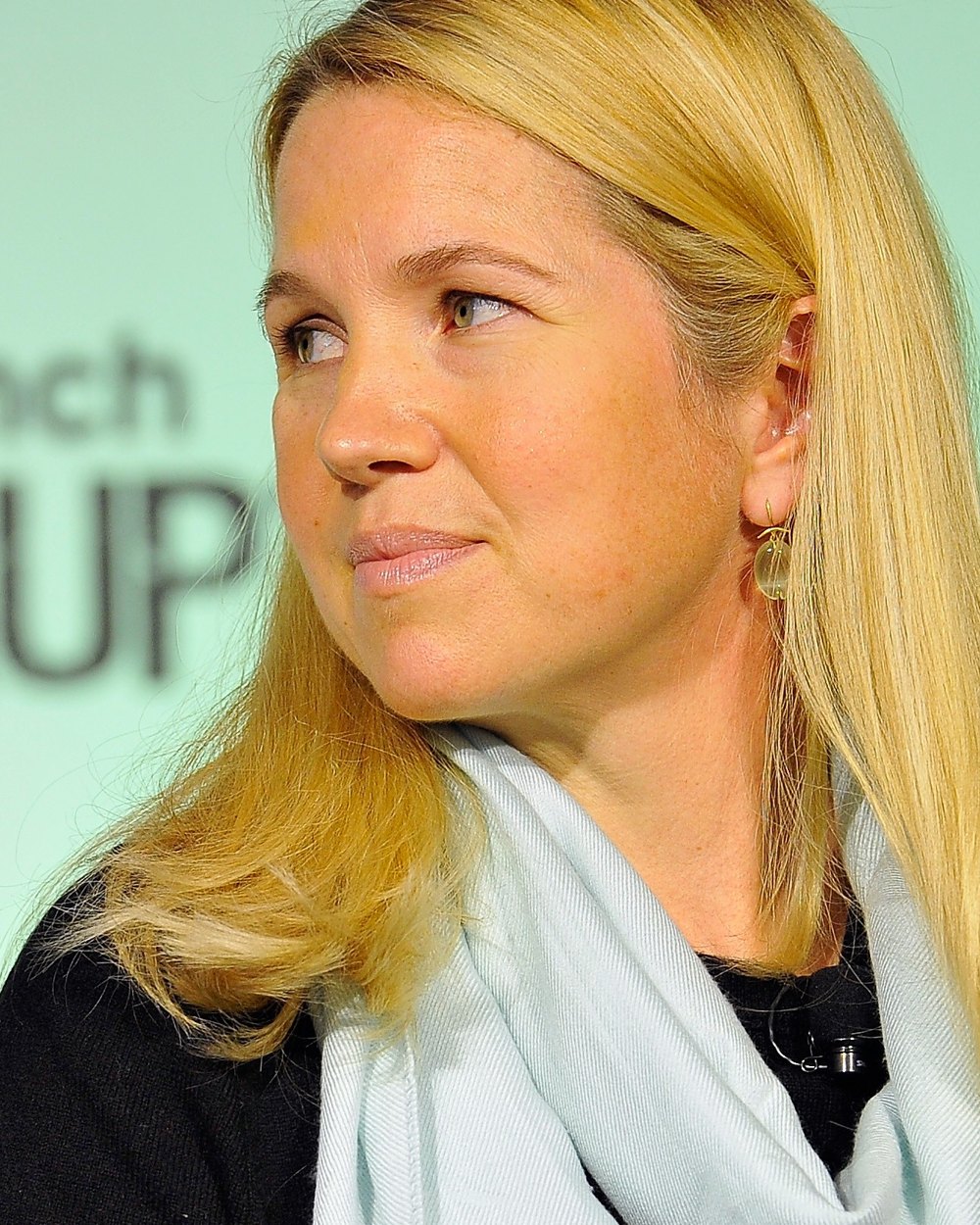
Cover photo of Jessica Livingston, not from this work: TechCrunch, CC BY 2.0, via Wikimedia Commons.
What’s available here
Original source
Linked. Opens on the publisher’s site.
Player on this page
Not applicable. Written piece; nothing to play.
Full text or transcript
Not reviewed. No license to show a text version here.
Our summary
Draft. Written by us with AI from the full public text and checked against it; quotes are word for word. Not yet rights-reviewed.
Ask questions with AI
Not reviewed. Off until there is licensed text to work from.