1.Notice problems instead of brainstorming them
Paul Graham calls solving a problem nobody has the commonest mistake founders make, and argues that sitting down to think of ideas produces bad ones that merely sound plausible 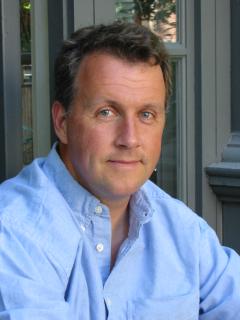 How to Get Startup Ideas.
“The way to get startup ideas is not to try to think of startup ideas. It's to look for problems, preferably problems you have yourself.”
Paul Graham·How to Get Startup Ideas·Read in context(opens the original in a new tab)His advice to students follows from this. In Before the Startup he says good ideas arrive unconsciously, from learning about things that matter and working on interesting problems with people you like Before the Startup. Get to the leading edge of a field and the missing pieces start to look obvious.
“Live in the future, then build what's missing.”
Paul Graham·How to Get Startup Ideas·Read in context(opens the original in a new tab)Patrick Collison says the same thing kept Stripe alive in its early years 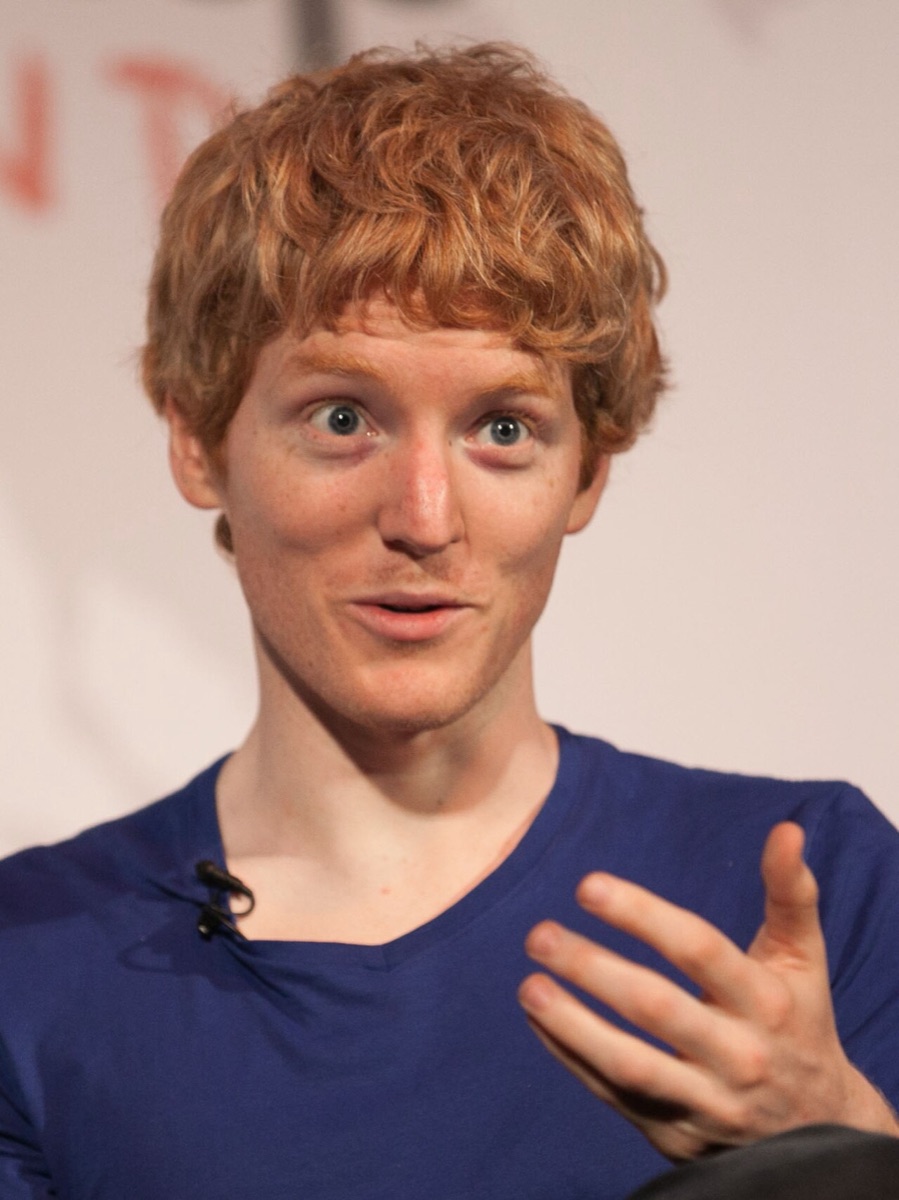 Patrick Collison: Is AI Breaking the Lean Startup Playbook?.
“I think the fact that it was ultimately the fact that it was grounded in such a concrete actual real user problem saved us.”
Patrick Collison·Patrick Collison: Is AI Breaking the Lean Startup Playbook?·Watch at 11:56(opens the original in a new tab)2.A few people who want it badly
Graham's image is a well rather than a shallow hole: a small group that needs the thing badly, with a fast path out to a bigger market How to Get Startup Ideas.
“you can either build something a large number of people want a small amount, or something a small number of people want a large amount. Choose the latter.”
Paul Graham·How to Get Startup Ideas·Read in context(opens the original in a new tab)Sam Altman's Startup Playbook makes the same bet from the product side 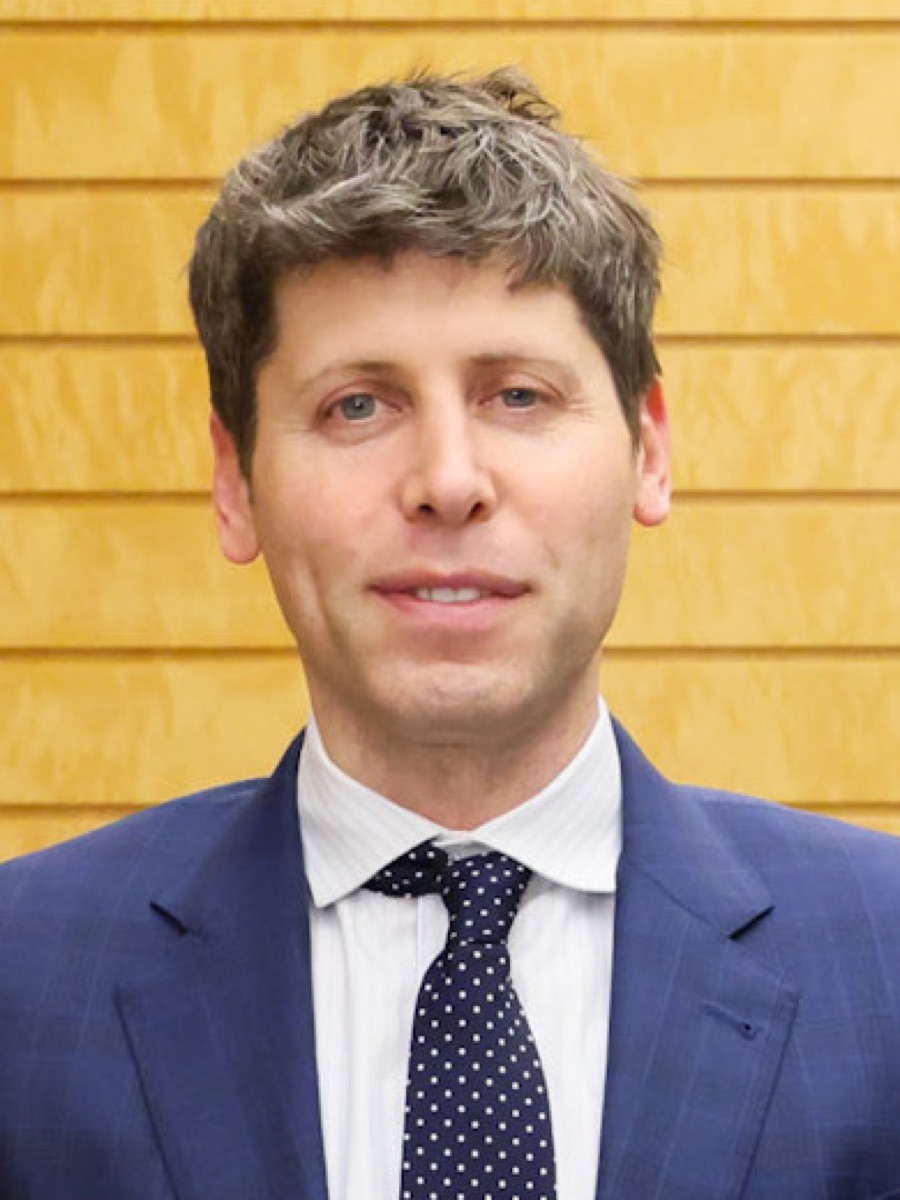 Startup Playbook.
“It’s much better to first make a product a small number of users love than a product that a large number of users like.”
Sam Altman·Startup Playbook·Read in context(opens the original in a new tab)Our reading: Two authors, one rule: depth of need beats breadth of mild interest. Graham uses it to judge an idea; Altman uses it to judge an early product.
3.Look where others won't
Graham argues people's minds quietly filter out ideas that involve tedious work. His example is online payments: a pain every programmer knew about, left alone for years because fixing it looked like a slog Schlep Blindness.
“Your unconscious won't even let you see ideas that involve painful schleps. That's schlep blindness.”
Paul Graham·Schlep Blindness·Read in context(opens the original in a new tab)In Startup = Growth he adds that ideas for large markets are so valuable that the obvious ones are taken, so founders who win tend to see problems others can't see yet, often exposed by new technology Startup = Growth.
Sam Altman describes his own taste the same way We Interviewed Sam Altman at TreeHacks 2026.
“I have always liked ideas that are big if they work, difficult to get to work, and unpopular.”
Sam Altman·We Interviewed Sam Altman at TreeHacks 2026·Watch at 14:16(opens the original in a new tab)Elon Musk, on why he started SpaceX: progress in rockets was going to come from a startup or not at all 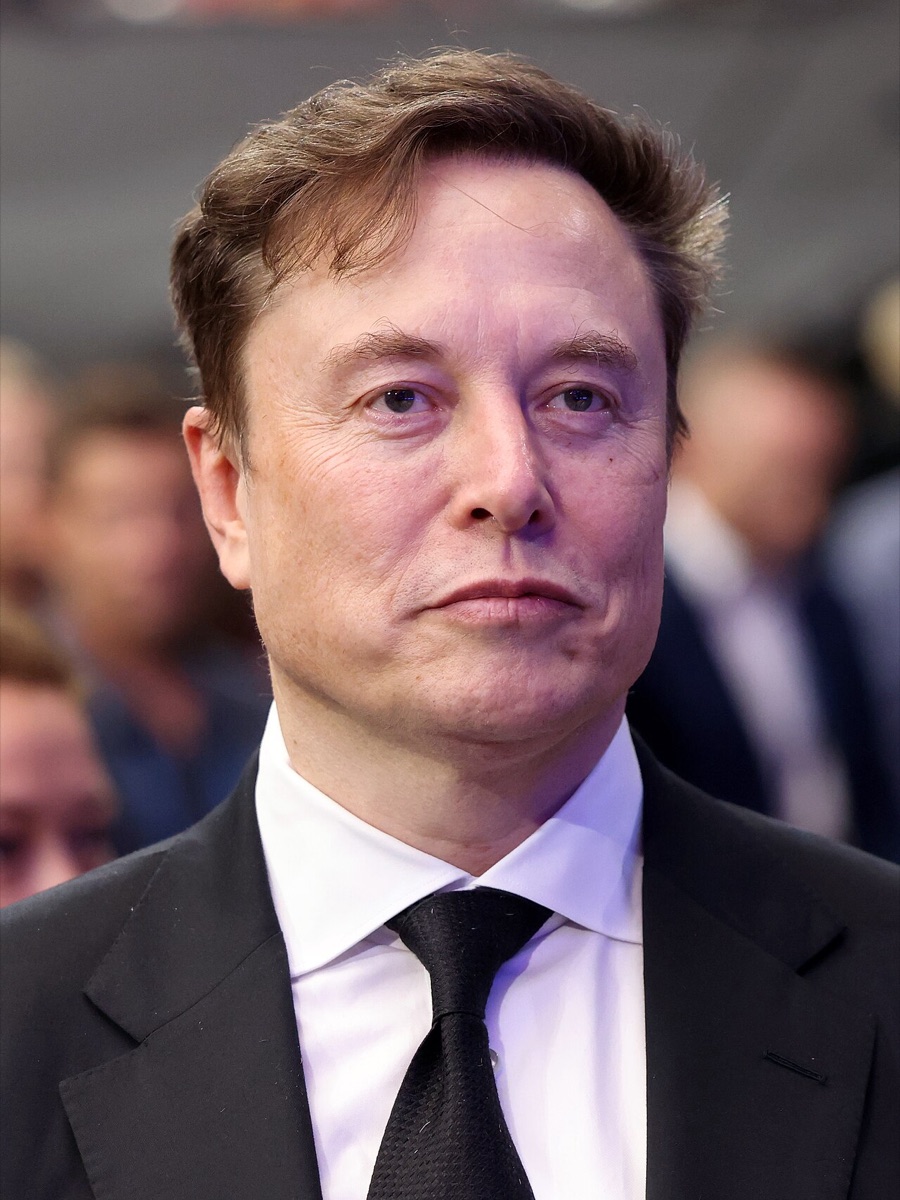 Elon Musk: Digital Superintelligence, Multiplanetary Life, How to Be Useful.
“It's either coming from a startup or it's not happening at all. So, so like a small chance of success is better than no chance of success.”
Elon Musk·Elon Musk: Digital Superintelligence, Multiplanetary Life, How to Be Useful·Watch at 17:52(opens the original in a new tab)4.The people matter more than the idea
Neither author treats the idea as the whole game. Graham's early essay says a startup doesn't need a brilliant idea, just a way to do something people already try to do, without it being terrible How to Start a Startup.
“Good people can fix bad ideas, but good ideas can't save bad people.”
Paul Graham·How to Start a Startup·Read in context(opens the original in a new tab)Altman's playbook pairs the idea with a determined, resourceful team and a product a small group of users loves Startup Playbook.
Written by Founder Atlas from the full public texts and the YouTube captions of the talks listed here, drafted with AI and checked against them. Quotes are word for word; talk quotes come from captions, which can mishear, so each one links to the moment it is said. Paraphrases are ours and may simplify.